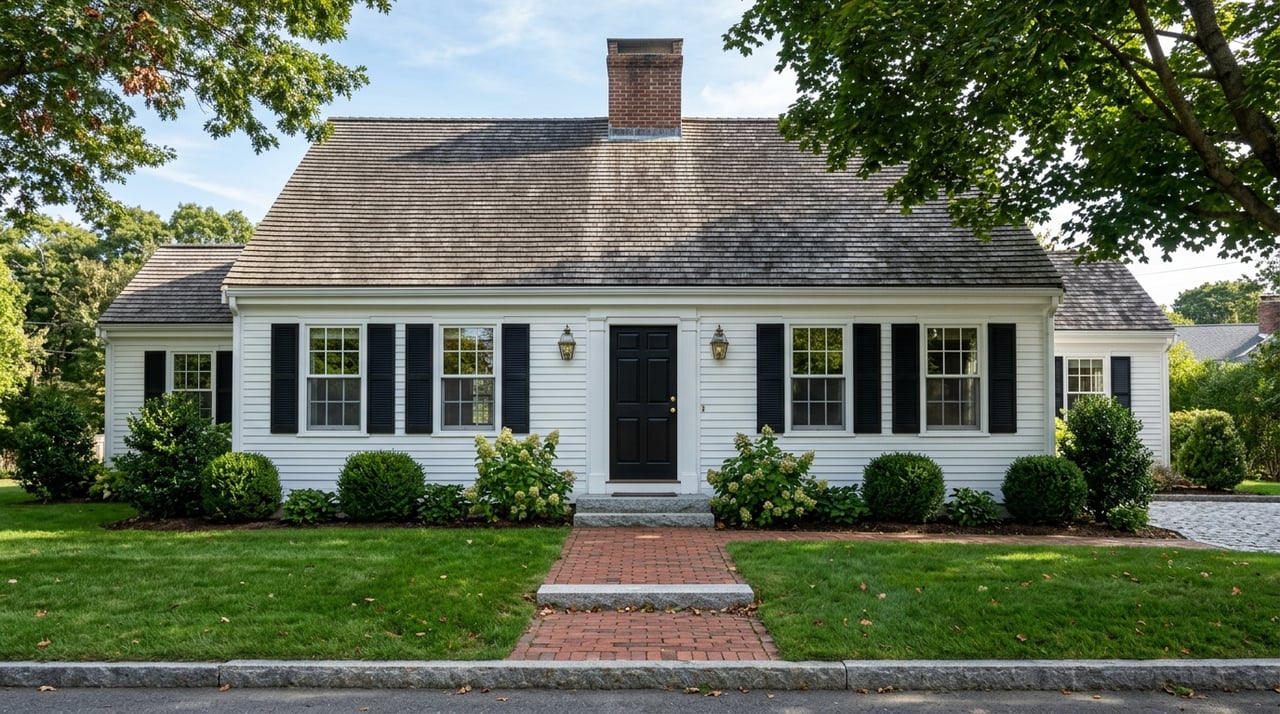
If you are exploring Wellesley and want a neighborhood that feels established, connected, and distinctly local, Poets’ Corner deserves a close look. This pocket offers the kind of residential setting many buyers picture when they think about classic suburban Boston living, with mature streets, older homes, and practical access to parks, shopping, and transit. In this guide, you’ll get a clear look at what Poets’ Corner is like, what homes tend to cost, and who it may suit best. Let’s dive in.
Where Poets’ Corner Sits in Wellesley
Poets’ Corner is a recognized Wellesley submarket, and its identity is rooted in the town’s own housing-market materials. Local history dates the subdivision to 1919, with much of the development taking shape during the 1920s and 1930s.
The neighborhood is described as an interconnected cluster of small streets and cul-de-sacs between Longfellow and Damien Roads and Walnut Street and Route 9. Many of the street names reference writers and poets, including Longfellow, Emerson, Kipling, Tennyson, and Whittier, which gives the area a memorable sense of place.
What the Neighborhood Feels Like
Poets’ Corner reads as an established residential pocket rather than a large-lot estate area or a busy village center. Its historic development was originally marketed as homes for a family of moderate means on roughly 10,000- to 15,000-square-foot lots, and that early planning still shapes the neighborhood’s scale today.
More recent listings often show lots around 0.32 acres, which helps explain why the area feels spacious without feeling oversized. For many buyers, that balance is part of the appeal. You get a traditional neighborhood layout with meaningful yard space and a lived-in, connected street pattern.
Homes in Poets’ Corner
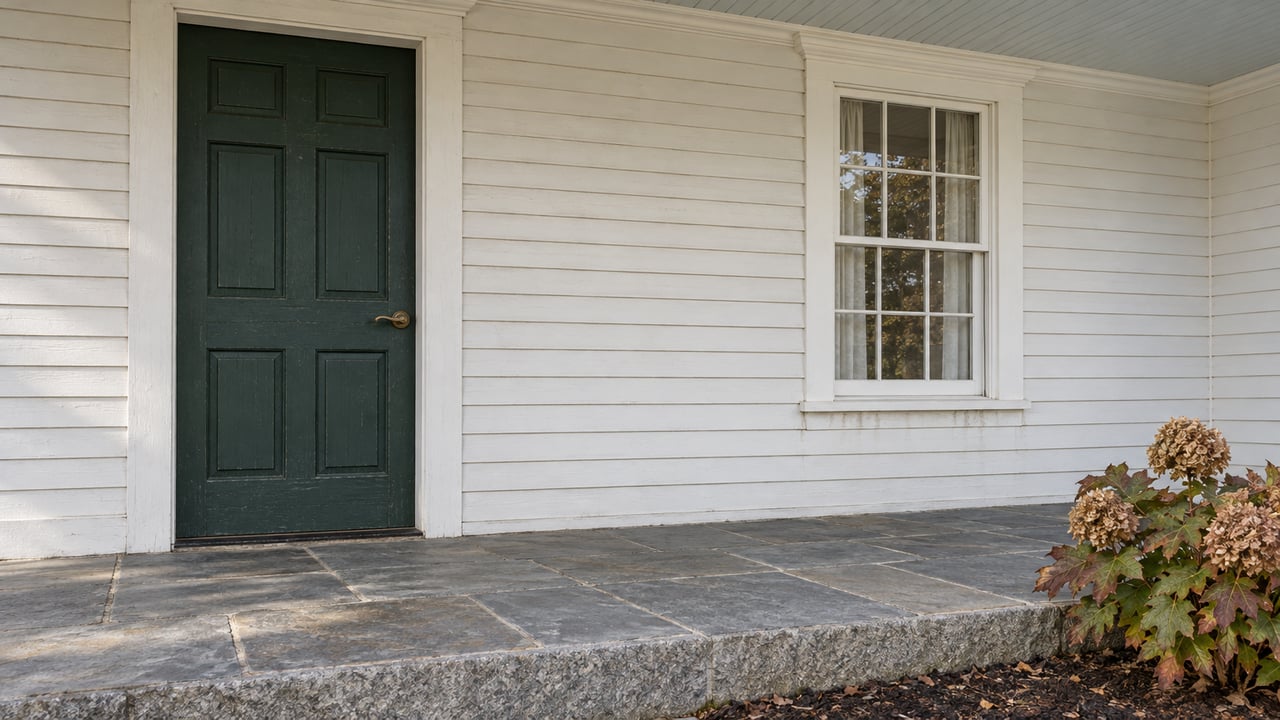
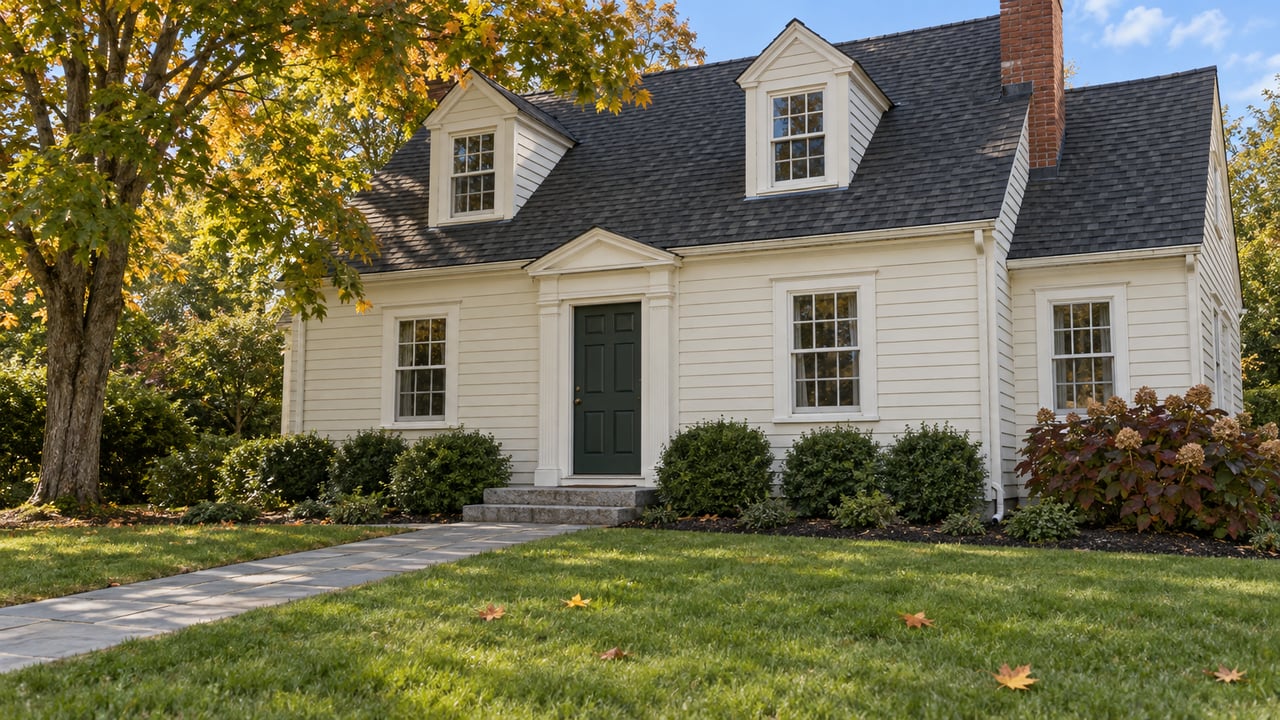
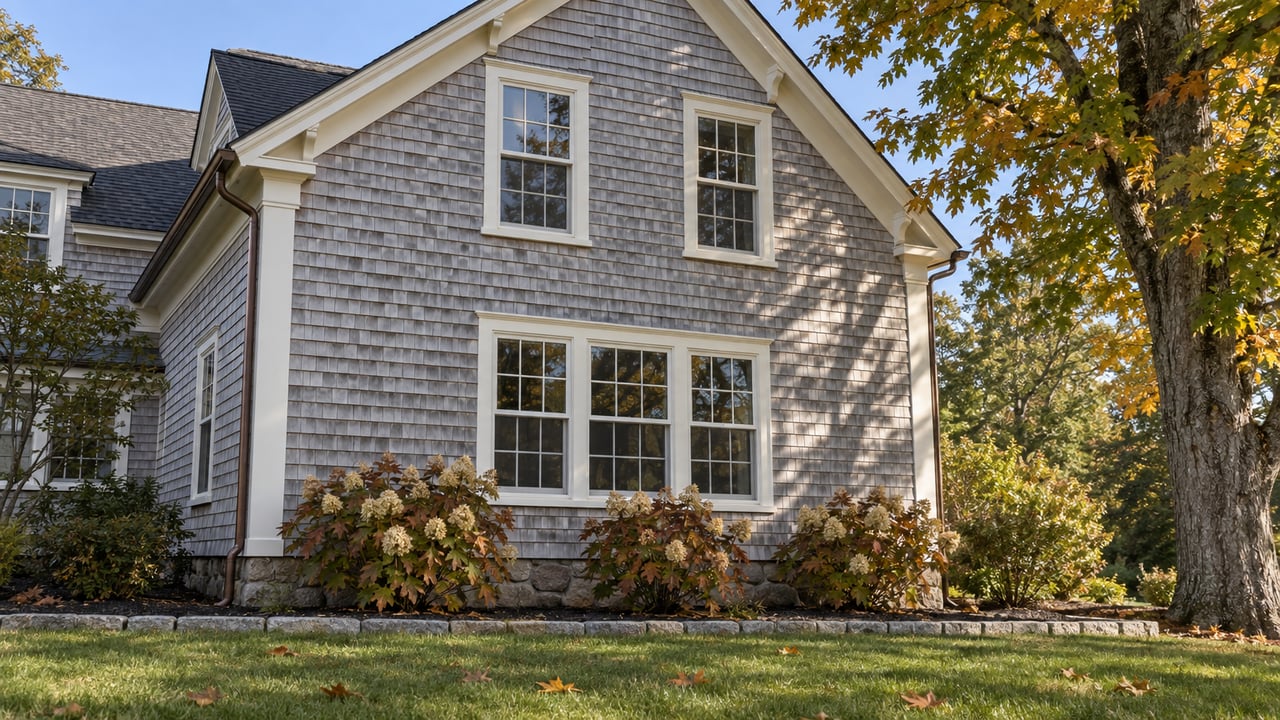
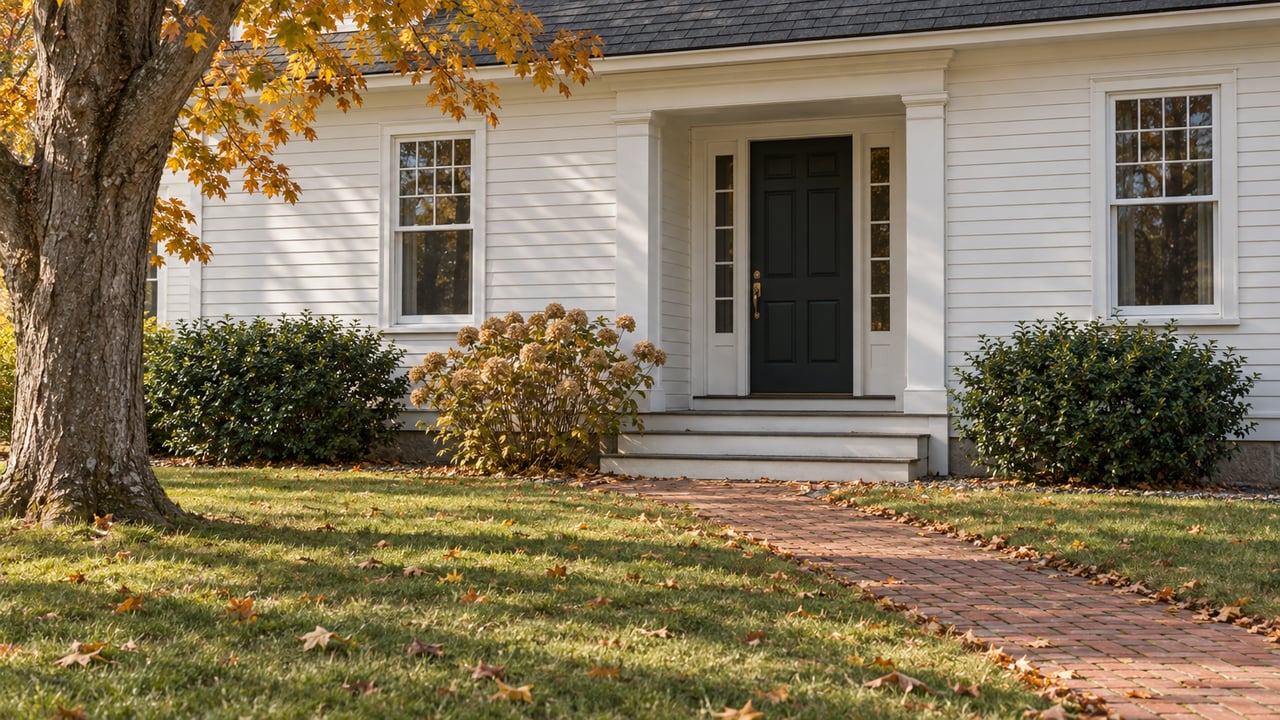
The housing stock in Poets’ Corner centers on older single-family homes, but the mix is broader than you might expect. Recent examples include a stately Colonial, a classic center-entrance Colonial, a Victorian townhome, and a new-construction farmhouse-style home.
That variety matters if you are trying to narrow your search. Some buyers come here for architectural character and original neighborhood fabric, while others are drawn to updated properties or rebuilt homes with a more turnkey feel.
Architectural Range to Expect
While older homes shape much of the neighborhood’s identity, Poets’ Corner is not locked into a single style. You may see homes with traditional Colonial lines alongside homes that have been expanded, renovated, or fully rebuilt.
For a design-conscious buyer, that creates more flexibility. You may find a house with strong bones and renovation potential, or a newer home that delivers modern finishes within an established Wellesley setting.
Poets’ Corner Home Prices
Poets’ Corner sits in Wellesley’s upper-end price range. Recent Redfin examples range from about $1.599 million to $3.5 million, while Zillow off-market examples show values around $2.507 million and $4.331 million.
For broader context, Zillow’s Wellesley housing-market page places the town’s average home value at $2,023,292 as of March 31, 2026. Taken together, the neighborhood often fits buyers thinking in the low- to mid-$2 million range for updated homes, with larger new construction and rebuilds moving higher.
What That Means for Buyers
If you are budgeting for Poets’ Corner, it helps to think about condition, scale, and lot use rather than relying on one headline number. Character homes may appeal for their setting and architecture, while newer or heavily updated homes can command a meaningful premium.
This is also a neighborhood where inventory type can shape price expectations quickly. A classic older home and a larger new-construction property may both sit within Poets’ Corner, but they can serve very different buyer priorities.
Parks and Recreation Nearby
One of the practical strengths of Poets’ Corner is access to recreation. Perrin Park at 50 Thomas Road offers baseball and softball, basketball, a multipurpose field, parking, picnic tables, seating, and trails or paths.
Warren Park at 94 Washington Street adds a playground along with field and court amenities. On a broader town level, Wellesley maintains 255 acres of active recreation areas across eight recreational parks, including Perrin Park, Warren Park, and Morses Pond Beach.
Why Park Access Matters Here
For many buyers, neighborhood value is not only about the house itself. Access to outdoor space, places to gather, and everyday recreation can make a real difference in how a location feels over time.
In Poets’ Corner, those town amenities support the neighborhood’s residential character. You are in a primarily home-centered setting, but you still have useful recreation options woven into daily life.
Shopping and Daily Errands
Poets’ Corner is well placed for access to Wellesley’s commercial villages without sitting directly in a dense retail core. The town highlights Wellesley Square, Wellesley Hills, the Fells area, and Linden Square as part of its traditional shopping and service network.
For groceries and everyday convenience, the town also notes Whole Foods on Washington Street and Roche Bros. in Linden Square. For buyers who want neighborhood calm with easy access to errands, that can be a strong middle ground.
Commuting from Poets’ Corner
Transit flexibility is another advantage. Wellesley’s transportation guides identify three MBTA Commuter Rail stops in town, including Wellesley Square, Wellesley Hills, and Wellesley Farms, all on the Framingham/Worcester line.
The town also notes parking for commuter-rail riders. In addition, Route 1 bus service runs along Route 9 between Natick Mall, Wellesley Square, Babson, MassBay, and the Woodland T station, while Catch Connect provides first- and last-mile service to rail and T stops.
Access Beyond Wellesley
Poets’ Corner also benefits from Wellesley’s proximity to Green Line stations just over the town line at Woodland and Waban. That broader network adds options if your routine includes trips into Boston or nearby regional destinations.
For buyers comparing Wellesley neighborhoods, this kind of commuter flexibility can be a deciding factor. You get a residential setting without giving up practical transportation choices.
Who Poets’ Corner May Suit Best
Poets’ Corner tends to fit buyers who want classic Wellesley streets, older-house character, park access, and good town connectivity. It offers an established neighborhood identity and a meaningful sense of place, which can be hard to replicate in newer developments.
At the same time, it helps to go in with clear expectations. This area is less about estate-scale privacy or retail right outside your door, and more about a lived-in residential pocket with strong access to the rest of Wellesley.
Key Takeaways Before You Search
If Poets’ Corner is on your shortlist, keep these points in mind:
- The neighborhood is a recognized Wellesley submarket with roots dating to 1919.
- Much of its development took shape in the 1920s and 1930s.
- The area is known for smaller connected streets and cul-de-sacs.
- Homes include older single-family properties, some townhome options, and newer construction.
- Pricing often falls in Wellesley’s upper tier, with many buyers focusing on the low- to mid-$2 million range for updated homes.
- Perrin Park, Warren Park, village shopping areas, and multiple transit options support day-to-day convenience.
If you are weighing neighborhood fit as seriously as square footage or finishes, Poets’ Corner stands out for its blend of character, utility, and location within Wellesley.
When you are ready to explore Wellesley neighborhoods more closely, Molly Campbell Palmer offers thoughtful, locally informed guidance backed by deep market knowledge and a boutique, design-forward approach.
FAQs
What is Poets’ Corner in Wellesley known for?
- Poets’ Corner is known for its established residential feel, streets named after writers and poets, older homes, and access to parks, village shopping areas, and transit options.
What types of homes are found in Poets’ Corner, Wellesley?
- Recent examples show a mix that includes Colonials, a Victorian townhome, and newer farmhouse-style construction, with many homes reflecting the neighborhood’s earlier development pattern.
What is the price range for homes in Poets’ Corner, Wellesley?
- Recent examples range from about $1.599 million to $3.5 million, with off-market examples around $2.507 million and $4.331 million, depending on size, condition, and whether a home is newly built or updated.
Are there parks near Poets’ Corner in Wellesley?
- Yes. Nearby recreation options include Perrin Park and Warren Park, and Wellesley also maintains a broader network of active recreation areas that includes Morses Pond Beach.
How is commuting from Poets’ Corner, Wellesley?
- Commuting is flexible thanks to access to three MBTA Commuter Rail stops in Wellesley, Route 1 bus service along Route 9, Catch Connect service, and nearby Green Line stations in Woodland and Waban.
Is Poets’ Corner a good fit for buyers seeking classic Wellesley character?
- For buyers looking for traditional streets, older-home character, practical lot sizes, and strong town connectivity, Poets’ Corner can be a compelling Wellesley option.