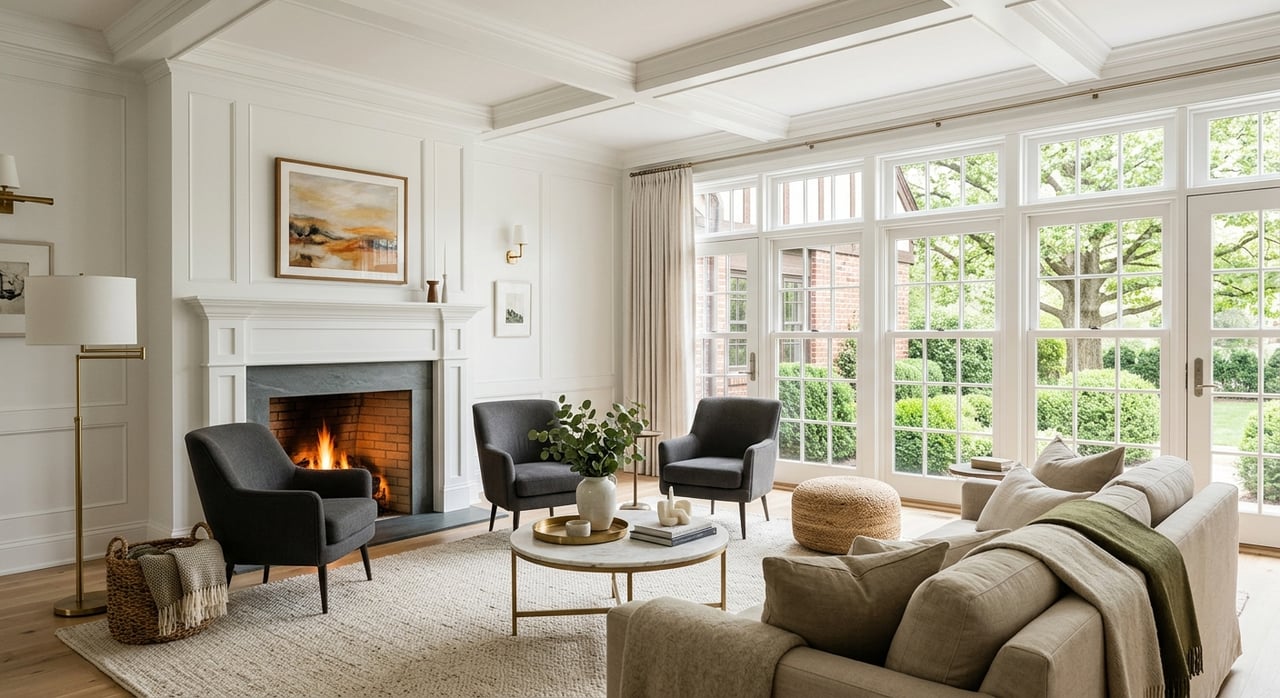
When you are preparing a luxury Wellesley home for market, small details can have a big financial impact. In a town where home values are high and buyers often compare older homes against newer or fully updated options, presentation is not just about style. It is about protecting value, reducing friction, and launching with confidence. Here is how to get your home ready in a way that fits the Wellesley market and helps you stand out from day one.
Why preparation matters in Wellesley
Wellesley is a high-value market, and buyers tend to notice condition quickly. Zillow reports an average home value of $2,023,292 in Wellesley as of March 31, 2026, while Realtor.com shows a median listing price of $2.2 million and 79 active homes for sale. Homes are also going pending in about 39 days, which means your first impression matters.
The local housing stock also shapes buyer expectations. The Town of Wellesley’s Strategic Housing Plan reports a median assessed value of $1.656 million for single-family homes, a median year built of 1950, and a median lot size of 15,000 square feet. It also notes that more than 1,200 single-family homes were built between 2003 and 2025, so buyers may compare a classic older home against polished newer construction or a recent rebuild.
Focus first on value protection
In a luxury listing, pre-market preparation should start with what protects your sale price. Visible wear, deferred maintenance, and unfinished details can distract buyers from a home’s strengths. In a market like Wellesley, that can weaken momentum early.
Research suggests most sellers make improvements before listing. Zillow’s 2024 seller survey found that 72% of sellers completed at least one improvement project before putting their home on the market. The most common updates were interior paint, bathroom updates, kitchen updates, landscaping, flooring or carpet repair, exterior paint, appliances, and roof work.
That does not mean you need a full renovation. It means your first dollars usually go furthest when they solve obvious problems, refresh tired finishes, and make the home feel well cared for.
Start with the most visible fixes
Before you think about cosmetic upgrades, walk through your home as a buyer would. What feels dated, unfinished, or poorly maintained? In many luxury homes, the issue is not one major flaw. It is a series of small distractions that add up.
Prioritize repairs and updates like these:
- Fresh interior paint in a clean, neutral palette
- Flooring repair or replacement where wear is obvious
- Bathroom touch-ups if finishes look tired
- Kitchen improvements if surfaces, hardware, or lighting feel dated
- Landscaping clean-up and curb appeal work
- Exterior paint or trim repair where needed
- Roof or appliance issues that may raise questions during showings
NAR’s 2025 staging report also found that many sellers’ agents did not fully stage homes and instead advised sellers to declutter or fix property faults first. That is a useful reminder for Wellesley sellers. If your home has visible issues, solving those often matters more than adding extra décor.
Plan for local compliance early
One of the easiest ways to lose time before closing is to discover a required compliance item too late. In Massachusetts, a few common issues should be checked at the start of your prep timeline rather than at the end.
Check lead paint rules
Because Wellesley’s median single-family year built is 1950, lead-based paint rules may apply to many homes. The EPA says sellers of most housing built before 1978 must disclose known lead-based paint information, provide the required pamphlet and warning statement, and allow a 10-day inspection period.
If you are doing pre-listing paint or renovation work in an older home, this matters for another reason. The EPA also warns that renovation, repair, or painting work in pre-1978 homes can create dangerous lead dust, so contractors should follow lead-safe practices.
Confirm smoke and CO alarm compliance
Massachusetts requires working smoke alarms, and most homes also need carbon monoxide alarms. The state says sellers of one- and two-family homes need a certificate of compliance from the local fire department showing alarms meet sale or transfer requirements.
This is a simple item to flag early, especially if your home has had renovations, additions, or system updates over time. Waiting until the last minute can add unnecessary stress.
Ask about septic inspection needs
If your property has a septic system, Massachusetts Title 5 rules can require an inspection at transfer, subject to exemptions. This is another timing issue worth confirming well before your list date.
Use staging as strategy
In luxury real estate, staging should support the architecture, scale, and mood of the home. It is not about filling rooms. It is about helping buyers understand how the home lives and why it feels special.
NAR’s 2025 home staging survey found that 83% of buyers’ agents said staging made it easier for buyers to visualize the property as a future home. It also found that 49% of sellers’ agents said staging reduced time on market, while 29% said it increased the dollar value offered by 1% to 10%.
For many Wellesley homes, thoughtful staging can clarify the strengths of both classic and updated spaces. It can make older rooms feel lighter and more current, help larger homes feel connected, and reinforce the design quality buyers expect at this price point.
Stage the rooms that matter most
If you are deciding where to invest first, NAR’s survey offers a clear starting point. The most commonly staged rooms were:
- Living room
- Primary bedroom
- Dining room
Those rooms often carry the emotional weight of the showing experience. In a luxury listing, they also tend to anchor the photography and shape how buyers remember the home after they leave.
Think design-led, not just furnished
NAR found that when sellers used a staging service, the median spend was $1,500, and the top factors in choosing a company were quality of design and price. For a premium Wellesley launch, the bigger takeaway is that design quality matters.
That is especially true in a town where architecture ranges from older Colonials and Capes to newer custom builds. Styling should feel tailored to the home rather than generic. Good staging brings out proportion, light, and flow. It should feel editorial, calm, and intentional.
Declutter with a luxury buyer in mind
Luxury buyers are often looking for space, ease, and polish. Too much furniture, overloaded shelves, or personal clutter can make even a beautiful home feel smaller and less refined.
Aim for a look that feels clean but not empty. Remove excess pieces, simplify surfaces, and create clear sight lines from room to room. In larger homes, this can also help buyers understand function, especially in bonus rooms, home offices, or finished lower levels.
Treat media as a core launch asset
In today’s market, your online presentation does a lot of the showing before a buyer ever steps inside. That is why premium visual marketing should be part of the launch plan from the beginning, not something added later.
Zillow’s 2024 seller survey found that 78% of sellers were more likely to hire an agent who includes high-resolution photography. It also found that 71% said the same for virtual tours or interactive floor plans, 64% said a virtual tour is very or extremely important, and 81% said a floor plan is highly important.
For a luxury Wellesley listing, that supports a full visual package that may include:
- High-resolution photography
- Floor plans
- Video
- Virtual tour assets where appropriate
NAR’s 2025 seller survey also shows that agents continue to rely on MLS websites, yard signs, open houses, agent websites, third-party aggregators, social networking sites, virtual tours, and video. In other words, your home needs to present well across every touchpoint.
Build your timeline backward from launch
A strong listing launch rarely happens by accident. It usually comes from planning the sequence well in advance, then coordinating repairs, styling, photography, pricing, and paperwork so everything is ready at once.
Zillow’s latest best-time-to-list analysis found that homes listed in the last two weeks of May sold for 1.7% more nationally, and that the timing premium can exceed $20,000 in Boston. While each property is different, the broader lesson is clear. If you want to target a prime market window, you need to prepare before that moment arrives.
A simple pre-market sequence often looks like this:
- Walk the property and identify repairs, updates, and compliance items
- Decide where to invest for maximum visual and financial return
- Complete maintenance, paint, landscaping, and contractor work
- Declutter and prepare for staging
- Stage key spaces to support photography and showings
- Capture photos, floor plans, and video
- Finalize pricing and launch strategy
This kind of coordination is one reason so many sellers want broad support. NAR’s 2025 seller survey found that 83% of sellers wanted an agent who provides a broad range of services and manages most aspects of the sale.
Know when not to renovate
One of the most common seller questions is whether they need to renovate before listing. In many cases, the answer is no. The better question is whether your current condition will hold up against competing homes in your price range.
If your kitchen or baths are clean, functional, and visually consistent with the rest of the home, targeted updates may be enough. Paint, lighting, hardware, landscaping, flooring repairs, and polished staging can often do more for first impressions than a rushed full remodel.
That is particularly true if a buyer may want to personalize the home anyway. In those cases, your goal is not to overbuild for the market. It is to present the property as well maintained, attractive, and easy to understand.
A polished launch creates leverage
In Wellesley, luxury buyers are not just buying square footage. They are comparing condition, design, upkeep, and how confidently a home is presented. When your home comes to market looking complete, cohesive, and well prepared, it gives buyers fewer reasons to hesitate.
That is the real value of pre-market preparation. You create a cleaner story, a stronger first impression, and a more efficient path from launch to offer. In a market where presentation carries real weight, that preparation can make all the difference.
If you are thinking about selling in Wellesley and want a strategic, design-forward plan for preparing your home, connect with Molly Campbell Palmer.
FAQs
Do I need to renovate my luxury Wellesley home before listing?
- Not always. Research shows most sellers make targeted improvements like paint, landscaping, flooring repair, or select kitchen and bath updates rather than full renovations.
Which rooms should I stage first in a Wellesley home?
- The living room, primary bedroom, and dining room are the most commonly staged rooms, according to NAR’s 2025 home staging survey.
Are floor plans and video worth it for a Wellesley listing?
- Yes. Zillow’s 2024 seller survey found strong seller demand for high-resolution photography, floor plans, and virtual tour assets, which supports using them as part of a premium listing launch.
What compliance items should Wellesley sellers check early?
- Common items to review early include lead-based paint disclosure requirements for many pre-1978 homes, Massachusetts smoke and carbon monoxide alarm compliance, and Title 5 septic inspection rules if the property has a septic system.
Why is timing important when listing a home near Boston?
- Zillow’s analysis found that listing in the last two weeks of May can bring a pricing premium nationally, and that the premium can exceed $20,000 in Boston, which makes early preparation especially important.