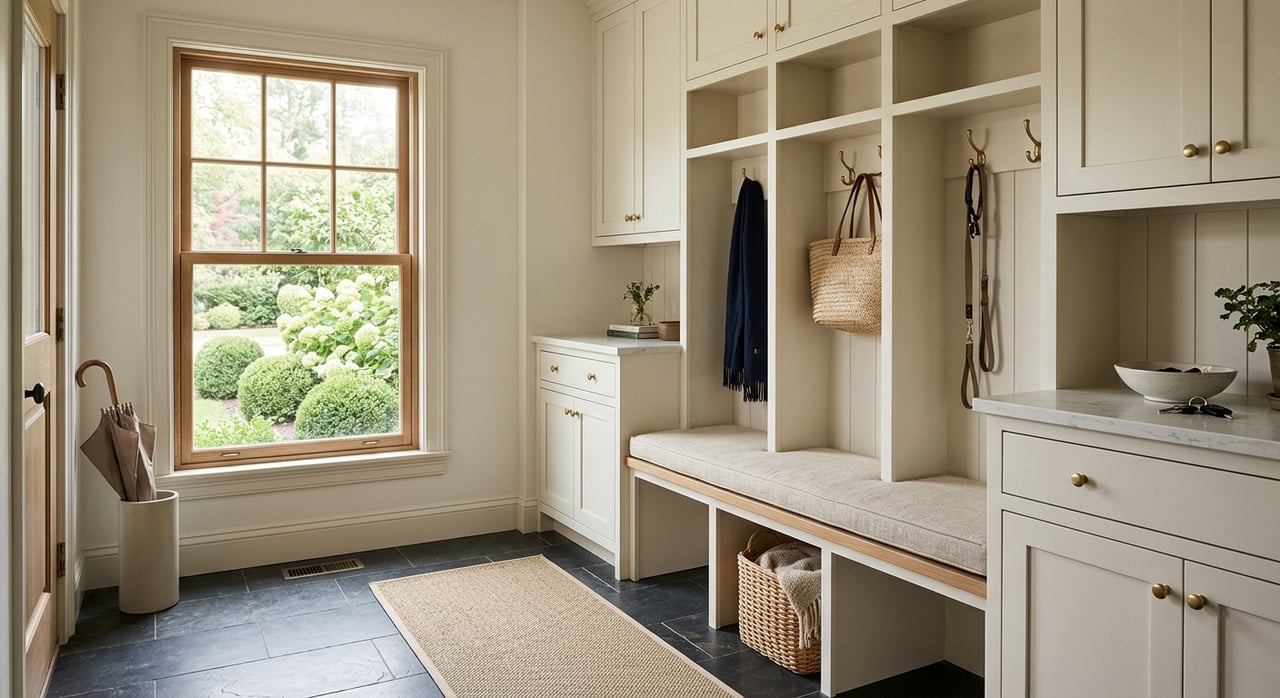
Thinking about leaving Boston for more space without losing your connection to the city? If Wellesley is on your shortlist, you are likely weighing two big questions at once: what the commute really looks like, and how daily life will feel once you get there. This guide walks you through both, from train options and driving routes to housing, routines, and what to plan before you move. Let’s dive in.
Why Boston Buyers Look at Wellesley
For many Boston-area movers, Wellesley offers a different pace of life while keeping a workable path back to downtown. The town’s transportation network, trail system, recreation programming, and housing profile all point to a lifestyle that is less urban and more centered on neighborhoods, local hubs, and scheduled routines.
That shift can feel refreshing if you want more space, easier parking, and a little more breathing room in your day. At the same time, it helps to know that Wellesley is not trying to replicate Boston living. It offers a different rhythm, and understanding that tradeoff is key.
Commute Options From Wellesley to Boston
Commuter Rail Is the Main Link
Wellesley has three MBTA commuter rail stops on the Framingham/Worcester line: Wellesley Square, Wellesley Hills, and Wellesley Farms. According to the Town, service runs between Worcester and South Station, with more service during peak commuter hours.
If you work in downtown Boston, this is often the simplest and most predictable option. Wellesley College notes that the train ride from South Station to Wellesley Square is about half an hour, and Back Bay can also be a useful rail access point depending on where you are headed.
Green Line Access Helps With Flexibility
Wellesley also benefits from nearby access to the MBTA Green Line D branch at Woodland and Waban. That can be useful if your destination is in Newton, Brookline, the Longwood medical area, or another location that connects better through the Green Line network.
For some movers, this creates a practical hybrid commute. You may live in Wellesley but choose a drive-plus-T routine on certain days, especially if your office is not close to South Station or Back Bay.
Last-Mile Transportation Is Better Than Many Expect
One of the more useful details for new residents is that Wellesley has local transit options that can help bridge the gap between home, train, errands, and appointments. Catch Connect is a free curb-to-curb microtransit service that runs Monday through Friday from 6:45 a.m. to 8:45 p.m. and on weekends from 8:00 a.m. to 6:00 p.m.
It connects Wellesley with Woodland and Waban, Needham Heights, Newton Wellesley Hospital, and other in-town destinations. There is also a free Route 1 bus along Route 9 connecting Natick Mall, Wellesley Square, Babson, MassBay, and Woodland, with weekend service and an extra bus during peak commuter hours.
Driving Still Matters
If you prefer to drive, Wellesley has access via Route 9, Route 16, I-90, and I-95/128. That gives you several ways in and out depending on your destination.
Still, driving tends to be more schedule-sensitive than rail. If your workday starts and ends at fixed hours, it is smart to test your actual route before you commit to a home search area.
What the Daily Routine Feels Like
Life Is More Hub-Based
In Boston, you may be used to a subway-centered routine with dense walkable options close together. In Wellesley, daily life is more village-oriented and errand-based, with local centers, commuter rail stops, parking, trails, and recreation shaping the flow of the day.
That does not mean inconvenient. It simply means your routine may become more deliberate, with a little more planning around trains, driving, pickups, or activity schedules.
Parking Is Part of the Lifestyle
A subtle but meaningful change is how often parking becomes part of everyday convenience. The Town highlights parking as part of getting around Wellesley, and Wellesley Square includes substantial visitor and employee parking.
For many Boston movers, this makes errands feel easier. You may trade some spontaneity for smoother day-to-day logistics.
Trails and Recreation Are Built In
Wellesley has a notably strong outdoor and recreation network for a suburban town. The Town reports 48 miles of trails, and the Brook Path and Fuller Brook Park extend more than 3 miles through the central part of town.
The Brook Path is described by the Town as a popular walking route away from Washington Street congestion. If you want easy access to walking paths, open space, and recreational programming, this becomes part of the appeal very quickly.
The Recreation Commission also runs programs year-round and publishes seasonal brochures. That contributes to a lifestyle where activities, movement, and local programs are part of the weekly rhythm for many residents.
How Family Logistics May Change
If you are moving with children, your routine may become more structured than it felt in Boston. Wellesley Public Schools notes that students generally walk to a common neighborhood bus stop, bus riders should arrive five minutes early, and younger students in grades K through 2 have additional adult pickup rules.
That does not tell you what your exact day will look like, but it does show that planning matters. Families often need to think through bus stop timing, after-school transportation, and how commute schedules line up with household logistics.
What Housing Looks Like in Wellesley
The Housing Mix Skews Single-Family
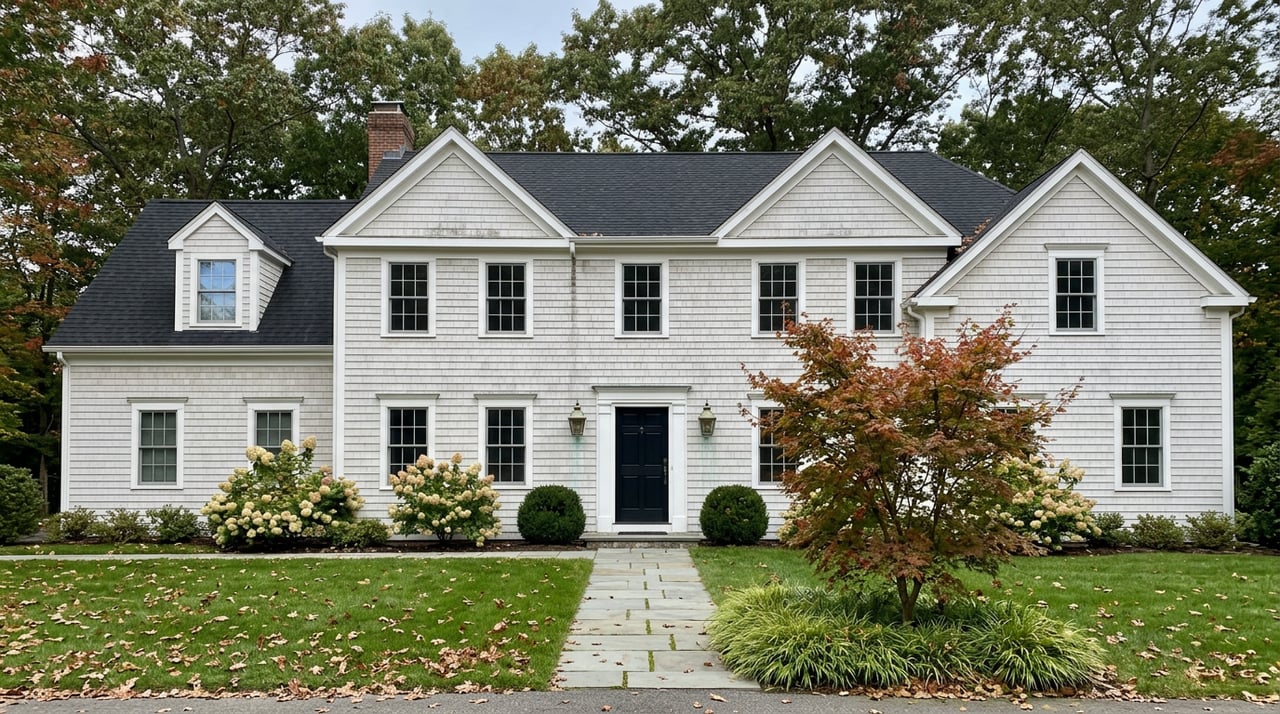
Wellesley’s housing stock is dominated by single-family homes. The Town’s housing plan says almost 82% of the housing stock is single-family, and about 57% of that stock was built before 1960.
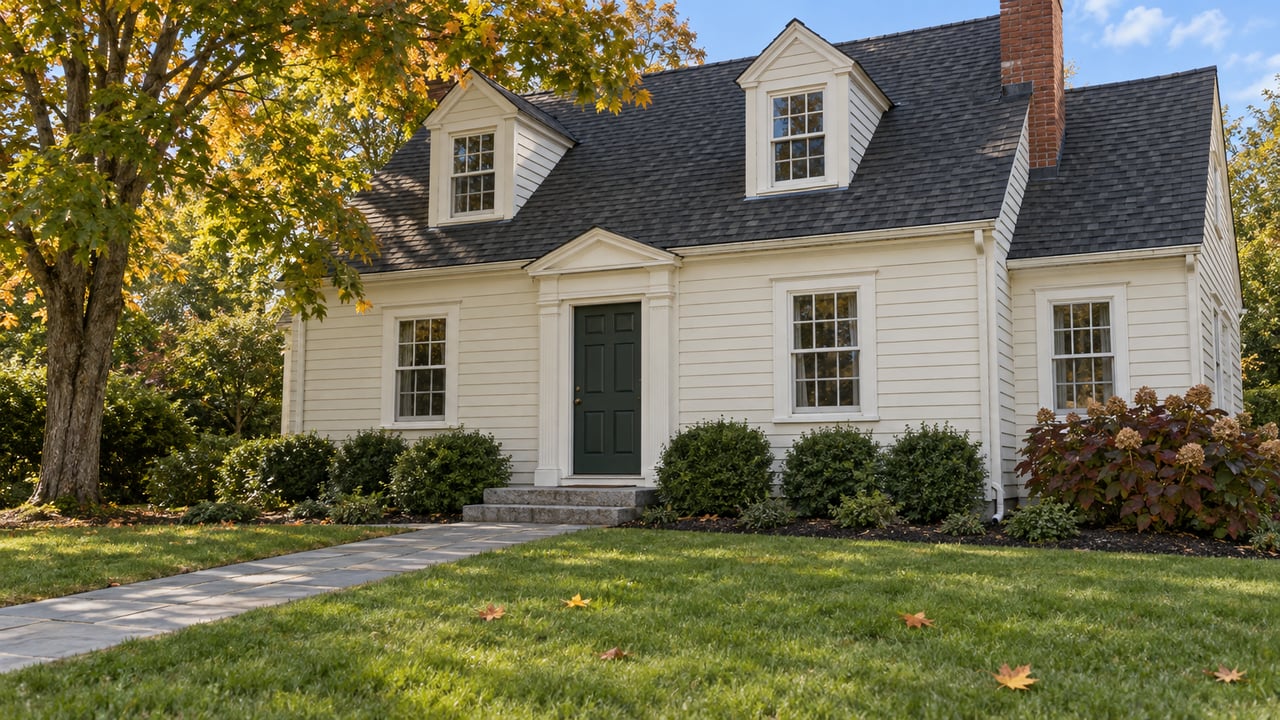
For Boston buyers, this usually means more space and a very different housing search than what you may be used to in the city. It also means that if you want a condo, townhouse, or another lower-maintenance option, you may need to start early and search strategically.
Price Points Are High
Wellesley is a high-priced market by any common measure. Recent market snapshots in the research report show median and average values ranging from roughly $1.8 million to more than $2 million, depending on source and methodology.
The clearest practical takeaway is simple: relocating from Boston to Wellesley often means entering a competitive seven-figure market. The Town’s housing data also shows that roughly 66% of owner-occupied units are valued at more than $1 million.
Competition Is Real
Recent market summaries described in the research report point to a very competitive environment. For buyers, that means preparation matters.
You will want a clear budget, a realistic sense of tradeoffs, and a strong understanding of which features matter most to you. In a market like this, clarity helps you move with confidence when the right opportunity appears.
Transit-Oriented Housing May Evolve
Wellesley is also planning for more varied housing near transit through compliance with the MBTA Communities Law. The Town states that it must zone for housing capacity within one-half mile of commuter rail station areas, with the law intended to allow multifamily housing by right in designated areas.
That does not change today’s housing mix overnight, but it is worth knowing if you are interested in housing close to the train or curious about how the town may evolve over time. For some buyers, proximity to a station remains one of the most important search criteria.
How to Plan a Boston-to-Wellesley Move
Six to Twelve Months Out
Start by testing the commute the way you would actually use it. Try South Station rail, Back Bay rail, a peak-hour drive, or a Green Line connection through Woodland or Waban.
This is also the right time to decide what kind of daily setup suits you best. You may want to live closest to a train stop, near Wellesley Square, or in a setting where driving plays a larger role.
Three to Six Months Out
Get financing in place and narrow your housing type. Because most housing is single-family and many homes are already priced above $1 million, buyers looking for a lower-maintenance or lower-entry option should plan early.
This is where local market knowledge can make a big difference. A focused search is usually more effective than a broad one in a town with limited inventory and specific submarkets.
Thirty to Sixty Days Out
Confirm the moving pieces that will shape your first few weeks. That includes parking, rail access, Catch Connect use, and any school transportation logistics that apply to your household.
This stage is less glamorous than touring homes, but it often has the biggest impact on how smooth your transition feels. The more you define your actual routine ahead of time, the easier move-in week becomes.
Move Week
Download the MBTA rail tools you plan to use and keep a backup plan for weather or schedule changes. The Town advises commuters to check schedules and MBTA alerts when planning trips.
A simple fallback plan can reduce stress right away. Even knowing whether you will drive, use rail, or mix both on your first few workdays can make the transition feel much more manageable.
Is Wellesley the Right Fit?
Wellesley tends to work well for Boston movers who want more space, strong commuter rail access, established neighborhood centers, and a more structured daily rhythm. You are likely trading some of Boston’s immediacy for parking, trails, recreation, and a home search that often centers on single-family properties.
That is not a better-or-worse choice. It is a lifestyle choice. If you know what matters most to you, whether that is train access, outdoor space, a certain home style, or a more flexible suburban routine, you can make the move with a lot more confidence.
If you are considering a move from Boston to Wellesley, working with someone who understands both the numbers and the day-to-day feel of the market can make the process much more straightforward. For tailored guidance on neighborhoods, commute tradeoffs, and what to expect in today’s market, connect with Molly Campbell Palmer.
FAQs
What is the train commute from Wellesley to Boston?
- Wellesley has three commuter rail stops on the Framingham/Worcester line, and Wellesley College says the South Station to Wellesley Square trip is about half an hour.
What public transit options help Wellesley commuters beyond the train?
- In addition to commuter rail, Wellesley has access to the Green Line D branch at Woodland and Waban, a free Catch Connect microtransit service, and a free Route 1 bus along Route 9.
What is daily life in Wellesley like compared with Boston?
- Daily life in Wellesley is generally more village- and schedule-oriented, with local hubs, parking, trails, recreation, and commuter rail shaping the routine more than a subway-centered, walk-everywhere pattern.
What types of homes are most common in Wellesley?
- According to the Town’s housing plan, almost 82% of Wellesley’s housing stock is single-family, so buyers will usually find a market dominated by detached homes.
What price range should Boston buyers expect in Wellesley?
- Recent market snapshots in the research report place Wellesley home values and sale prices in a high-priced seven-figure range, with common measures landing around $1.8 million to more than $2 million depending on the source.
What should families know about school transportation in Wellesley?
- Wellesley Public Schools says students generally walk to a common neighborhood bus stop, riders should arrive five minutes early, and K through 2 students have additional adult pickup rules.