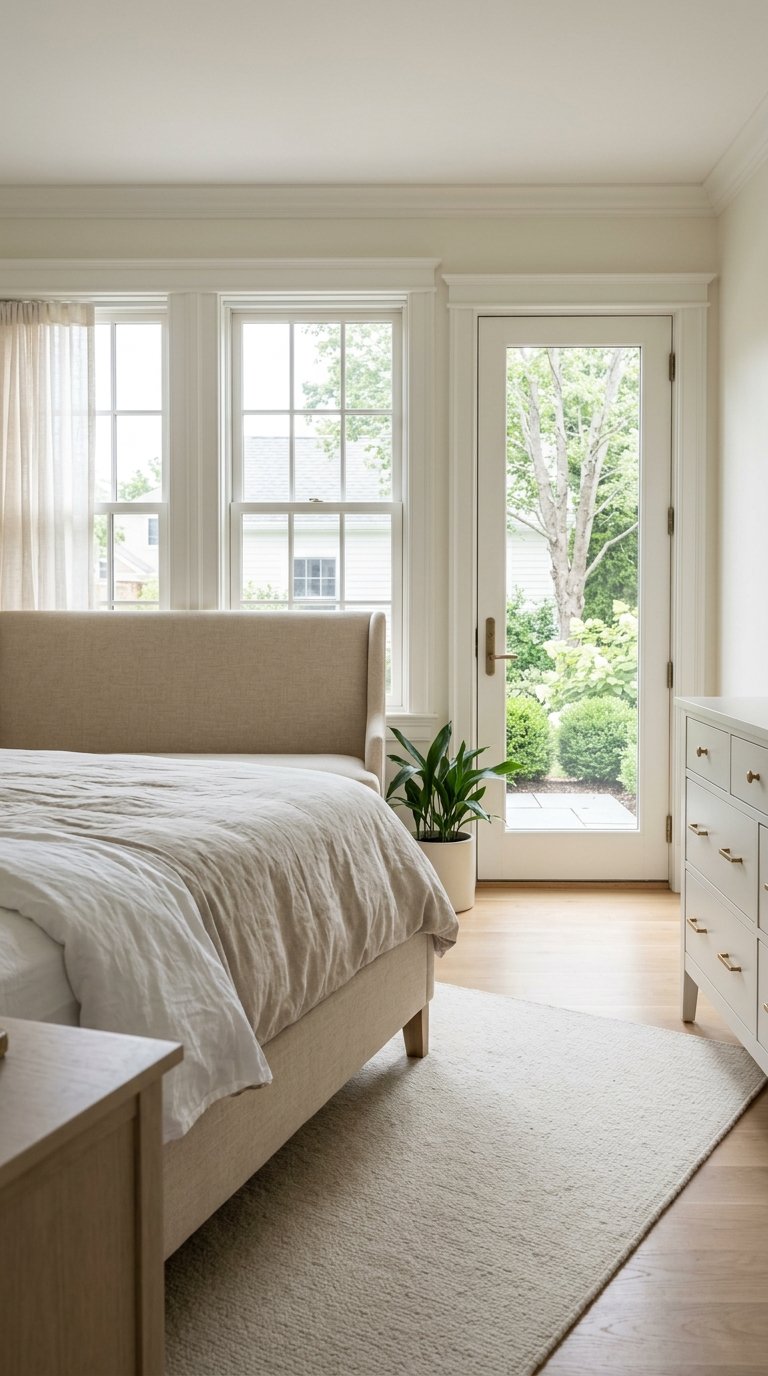
Thinking about staying in Wellesley after you sell, but in a home that asks less of you day to day? You are not alone, and in this market, downsizing is often more complex than people expect. In Wellesley, the goal is usually not finding a bargain. It is finding a home with the right layout, easier upkeep, and a location that fits the way you want to live next. This guide will help you think through pricing, inventory, timing, and what to prioritize before you make a move. Let’s dive in.
Why downsizing in Wellesley is different
Wellesley has clearly identified downsizing as a real local housing need, especially for residents who want to remain close to their routines and support networks. At the same time, the town’s Strategic Housing Plan places that need in a market where median home prices are above $2 million. That creates a very specific kind of downsizing decision.
In other words, moving to a smaller home in Wellesley does not always mean spending dramatically less. More often, it means trading square footage and maintenance for convenience, accessibility, and a layout that better fits your next chapter.
Current market data reinforces that reality. Zillow reported typical home values of $2,047,618 in Wellesley as of April 30, 2026, with 90 active listings, a median list price of $2,365,667, and median days to pending of 6. Redfin’s March 2026 data also showed a premium market, with a median sale price of $1.825 million, a 98.4% sale-to-list ratio, and 27.3% of homes selling above list.
What downsizing usually looks like here
If you are hoping to stay in town, the most realistic replacement options are often condos or townhomes. That is where many sellers look when they want less exterior maintenance, fewer stairs inside the home, or a more lock-and-leave lifestyle.
Even then, the local inventory is limited. Recent Zillow search results showed only 7 condo listings and 6 townhome listings in Wellesley, with visible condo prices ranging from about $825,000 to $1.7472 million and townhomes from $765,000 to $1.795 million.
That limited pool matters for planning. A smaller home may still be a significant purchase, and the right fit may not appear the moment you are ready to move.
Condos are not always the low-cost option
One of the biggest surprises for local sellers is that condos in Wellesley can still be priced at the high end of the market. The town’s 2024 housing-plan data reported a median condo sale price of $1,787,500. That figure was influenced in part by new, higher-cost condo projects, but it still tells you something important about the local landscape.
If your main goal is cutting your monthly carrying costs as much as possible, you will want to look closely at the full numbers, not just the smaller footprint. In Wellesley, downsizing often works best when your priority is ease of living rather than a steep drop in purchase price.
How to define your downsizing goals
Before you list your current home, it helps to get very clear on what “smaller” actually means for you. In many cases, the strongest move is not the least expensive home. It is the one that removes the most friction from daily life.
You may want a first-floor primary suite, fewer unused rooms, less yard work, or easier access to shops and services. You may also want a home that feels manageable when traveling, hosting less often, or planning for the years ahead.
A useful way to frame your search is to rank your priorities in order. For example:
- Less maintenance
- Fewer stairs
- Walkability to town amenities
- Access to public transportation
- One-level living or easier layout
- Proximity to familiar routines and support systems
- A smaller but still design-forward home
That kind of clarity helps you move faster when inventory is tight.
Where walkability may be strongest
If your goal is a more walkable lifestyle, Wellesley offers some clear areas to focus on. The town’s Complete Streets criteria prioritize projects near commercial areas like Wellesley Square, Linden Square, Wellesley Hills, Fells Block, and Lower Falls, along with libraries and MBTA commuter rail stations.
For many downsizers, that makes homes near village centers and rail stops especially appealing. These areas may offer easier access to errands, dining, library services, and parts of daily life that become more enjoyable when you can leave the car parked.
Wellesley’s public transportation guide also notes that local routes connect residents to libraries, train stations, and two business districts. The town also includes 29 miles of marked trails and 18 more miles of unmarked trails, which adds another layer of day-to-day mobility in some parts of town.
Check accessibility before you commit
Walkability and transit access are not always the same thing as ease of use. Wellesley residents can reach the MBTA Framingham/Worcester line from Wellesley Square, Wellesley Hills, and Wellesley Farms, but the town notes that those commuter rail stations are not ADA accessible.
That is an important detail if you are choosing a location with long-term mobility in mind. If rail access matters to you, verify the day-to-day experience carefully rather than assuming the station nearby will meet your needs.
Local amenities that can support your next chapter
For many sellers, downsizing is not just about the home itself. It is also about staying connected to the places and services that make life easier.
Wellesley has strong town-center infrastructure that may matter as you plan your move. The Tolles Parsons Center at 500 Washington Street includes a café, lending library, social services office, fitness center, and activity spaces. According to the Council on Aging information, staff can also connect older residents and caregivers with services that support safe and independent living at home.
The Wellesley Free Library’s main branch is also nearby at 530 Washington Street and has parking. If convenience, community touchpoints, and familiar local resources are important to you, these details can help shape where you focus your search.
Why timing matters so much
The biggest challenge for many Wellesley downsizers is not selling their current home. It is finding the next one. Because the replacement-home pool is limited and still premium-priced, your sale may move faster than your purchase search.
That imbalance is one reason to start planning early. The town’s Strategic Housing Plan recognizes the need for housing below the town’s current median price point, which underscores how limited the local options can feel for residents who want to stay in town but shift to a different housing type.
In practical terms, many sellers benefit from sequencing the move conservatively. That often means identifying target property types and preferred areas before your current home hits the market.
A smart sequence for local downsizers
A thoughtful downsizing plan often includes these steps:
- Define your must-haves for the next home.
- Narrow your search to the parts of Wellesley that best match those priorities.
- Review the current condo and townhome inventory to understand price reality.
- Evaluate the likely sale position of your current home.
- Build flexibility into your timeline in case the right replacement home takes time.
That flexibility may include a rent-back, temporary housing, or a longer search window. In a market where homes can go pending quickly and the replacement pool is narrow, those backup plans can lower stress and protect your decision-making.
Preparing your current home for sale
If your goal is to sell well and move smoothly, preparation still matters. In a premium market, buyers are often paying close attention to presentation, condition, and pricing discipline.
Wellesley’s market data shows strong pricing, but it also shows that not every home sells the same way. Redfin’s March 2026 snapshot reported that 25.8% of homes had price drops. That is a useful reminder that strategic pricing and polished presentation matter just as much as market strength.
For downsizers, pre-listing work should focus on updates that improve appeal without overcomplicating your timeline. A clean presentation, thoughtful staging, and a clear plan for what comes next can make the process feel far more manageable.
Historic district rules may affect exterior updates
If your home is in a local historic district, be careful about exterior work before listing. The town states that exterior changes may require review under the historic-district process, while interior changes do not.
That distinction can affect whether a project is worth doing before you sell. If you are considering exterior improvements, factor in the approval process and timing before committing to the work.
The key mindset shift
In Wellesley, successful downsizing is usually less about “going cheaper” and more about “living better.” The best move is often the one that reduces maintenance, improves convenience, and keeps you connected to the town you know well.
That is why the process works best when you treat your sale and purchase as one coordinated strategy. When you understand the local inventory, define your non-negotiables early, and plan for timing gaps, you put yourself in a much stronger position to move on your terms.
If you are considering a downsize within Wellesley, thoughtful planning can make all the difference. For tailored guidance on timing, pricing, presentation, and finding the right next fit, connect with Molly Campbell Palmer.
FAQs
Is a condo in Wellesley always cheaper than a single-family home?
- Not necessarily. Local data shows that condos in Wellesley can still be expensive, with the town reporting a 2024 median condo sale price of $1,787,500.
Which Wellesley areas may feel most walkable for downsizers?
- Homes near Wellesley Square, Linden Square, Wellesley Hills, Fells Block, Lower Falls, libraries, and commuter rail stations are among the strongest candidates based on the town’s Complete Streets criteria.
Are Wellesley commuter rail stations accessible for all mobility needs?
- Not always. The town’s public transportation guide says the Wellesley Square, Wellesley Hills, and Wellesley Farms commuter rail stations are not ADA accessible.
Should you sell your Wellesley home before finding your downsizing property?
- In many cases, it helps to identify your target home type and area before listing, because local condo and townhome inventory can be limited.
What is the main benefit of downsizing within Wellesley?
- For many sellers, the biggest benefit is less maintenance, a more practical layout, and continued access to familiar local amenities rather than a major drop in purchase price.