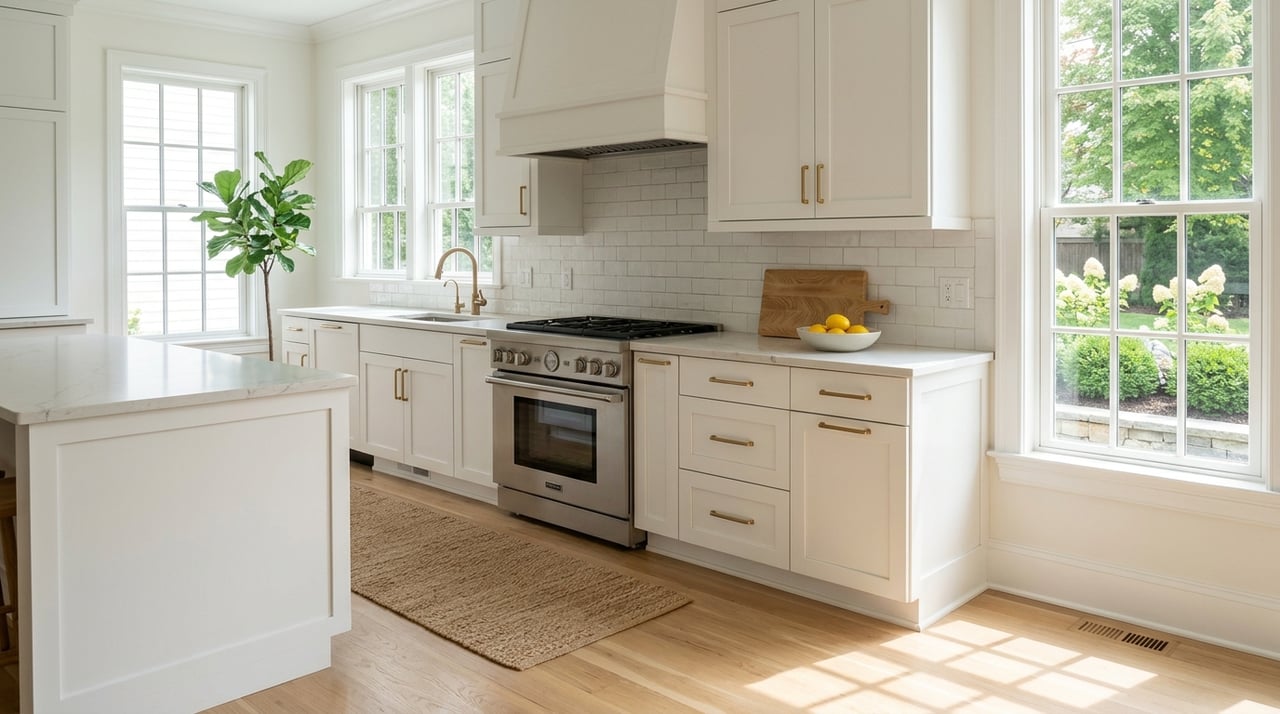
If you are thinking about selling in Wellesley, one question can shape your entire strategy: should you renovate first or list the home as-is? In a town where homes move quickly and prices are high, the right answer is rarely about doing more work. It is about doing the right work, at the right scale, to protect your time and your sale price. Let’s dive in.
Wellesley sellers face a different bar
Wellesley is not a market where presentation is easy to overlook. Census QuickFacts places the median value of owner-occupied homes in Wellesley at $1,582,700 for 2020 through 2024, and Redfin reported a median sale price of $1,998,804 in May 2026, with a median of 15 days on market.
That combination matters. In a very competitive market with roughly $2 million pricing, buyers tend to notice condition quickly and make fast judgments about what they are willing to take on.
Wellesley’s housing stock also shapes the decision. The town’s draft Strategic Housing Plan notes that single-family homes have a median year built of 1950, and that most available units were built before 1960.
That means many sellers are working from an older baseline. Even when a home is well cared for, dated finishes, worn surfaces, and deferred maintenance can stand out faster in photos and showings.
Why buyer perception matters so much
A renovation decision is not only about return on investment. It is also about how buyers feel when they first see your home online and then walk through the front door.
According to the 2025 Remodeling Impact Report, 46% of home buyers are less willing to compromise on the condition of the home. That is a meaningful shift for sellers, especially in a market where homes are expected to show well from day one.
The same report shows where seller prep usually starts. REALTORS® most often recommended painting the entire home, painting one room, and replacing the roof before listing.
That pattern tells you something important. Visible, buyer-facing improvements often matter more than large custom projects when your goal is resale.
Start with what buyers notice first
If you are deciding where to spend money before listing, begin with the items that show up immediately in listing photos and first impressions.
Paint and finish refreshes
Fresh paint is one of the simplest ways to make a home feel cleaner, brighter, and more current. In the Remodeling Impact Report, 50% of REALTORS® recommended painting the entire home and 41% recommended painting one room.
For many Wellesley sellers, this is the clearest first step. If your walls are heavily personalized, scuffed, or simply tired, paint can improve the visual tone of the home without a long timeline.
Entry and front-door updates
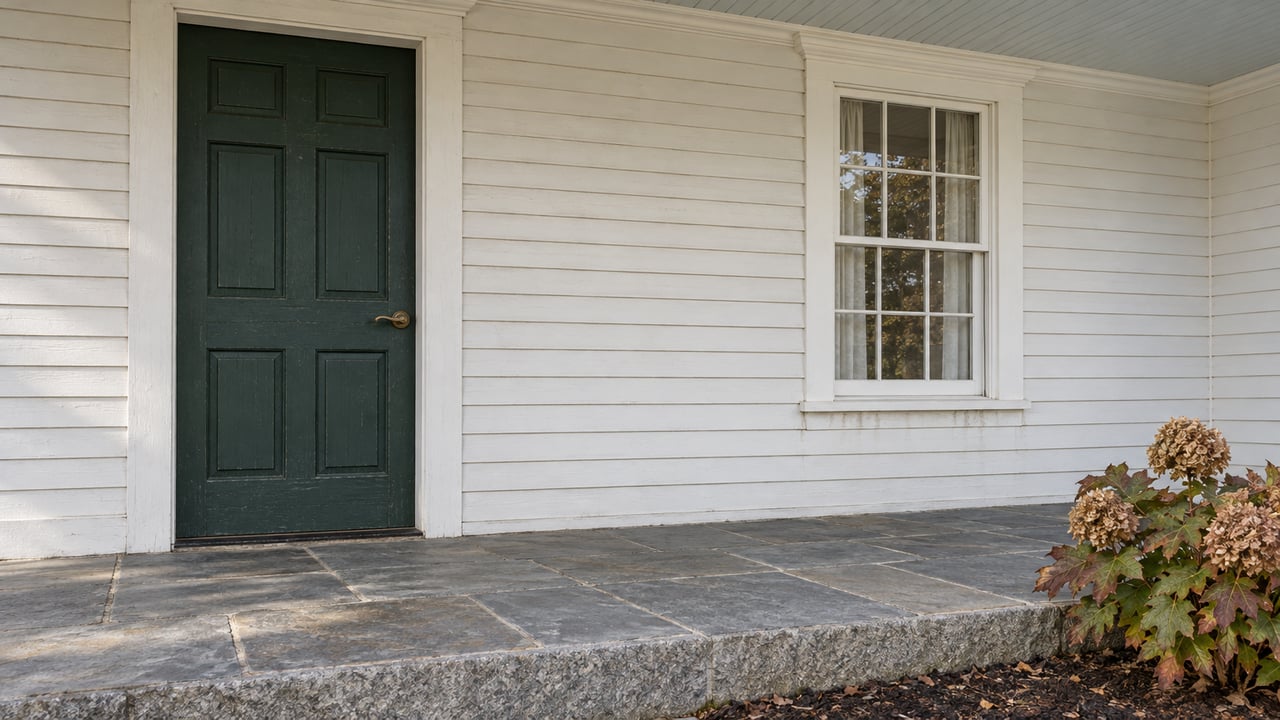
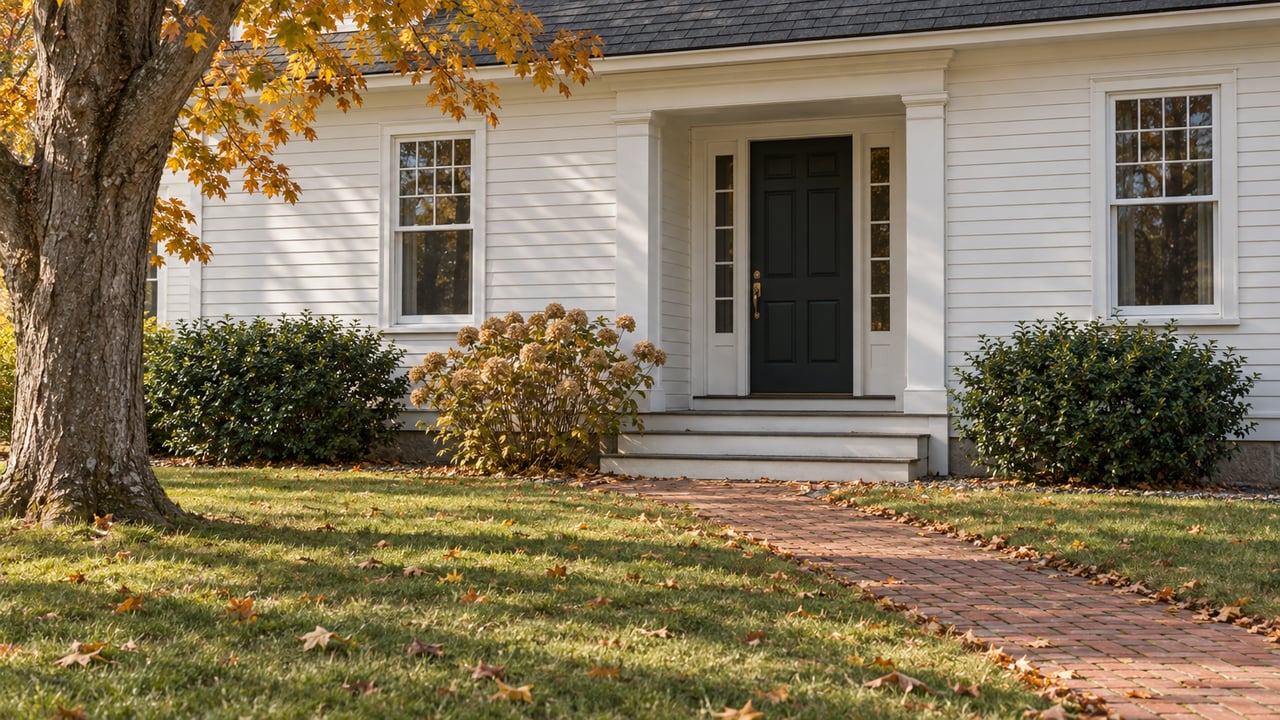
The front entry shapes how buyers feel before they even step inside. NAR found that a new steel front door had 100% cost recovery, while a new fiberglass front door had 80%.
That does not mean every seller needs a brand-new door. It does mean that a polished, welcoming entry can carry real resale value, especially when the rest of the home is being presented at a premium price point.
Roof condition
Roof issues tend to create concern quickly. The 2025 report found that 37% of REALTORS® recommended new roofing before listing, and buyer demand increased for new roofing over the past two years.
If your roof shows visible wear or raises obvious questions, this is not the kind of issue most buyers will ignore. In a fast-moving market, uncertainty often translates into caution on price.
Flooring improvements
Flooring has a strong effect on how updated a home feels. New wood flooring ranked near the top of NAR’s Joy Score list, which helps explain why refreshed floors often make a home feel more valuable even when the math is not perfectly direct.
If your floors are worn, mismatched, or visually distracting, a flooring refresh may offer stronger buyer impact than a more expensive behind-the-scenes project.
When a kitchen or bath update may help
Not every home needs a full remodel before it hits the market. In fact, many do not.
NAR found that 30% of REALTORS® recommended a kitchen upgrade and 24% recommended a bathroom renovation. Those numbers trail behind painting and roofing, which suggests that kitchens and baths matter, but they are not always the first or best use of a seller’s budget.
The best case for a light update
A light kitchen or bath refresh can make sense when the space functions well but looks dated. If cabinets, counters, fixtures, lighting, or finishes are making the room feel older than the rest of the house, selective improvements may help buyers see the home more clearly.
This is often the middle ground in Wellesley. You are not rebuilding the space. You are improving how it presents.
When a full remodel may not pay off
A full kitchen or bath renovation can be deeply satisfying for a homeowner, but resale value and personal enjoyment are not always the same thing. NAR’s report shows strong satisfaction for major projects, yet seller recommendations still lean toward lower-cost visible updates.
That gap is important. If you are renovating mainly for your own long-term use, a major project may be worthwhile. If you are preparing to sell soon, a full remodel may add more time, cost, and decision fatigue than it adds to your net result.
Why major renovations carry more risk in Wellesley
In Wellesley, the decision is not just about design. It is also about timeline, permits, and the realities of working on older homes.
The town states that most construction projects require a building permit and recommends speaking with the Building Inspector or Zoning Enforcement Officer before submitting applications. Wellesley also notes that the Stretch Energy Code applies to renovations of or additions to existing residential buildings.
Some projects may also require engineering permits for driveway, curb, drainage, sewer, water, trenching, or right-of-way work. Once a project moves into that category, the cost and timeline can change quickly.
Because many local homes were built decades ago, opening walls or exterior systems can also reveal additional scope. That is one reason major pre-sale renovations deserve a contractor estimate before you commit.
A simple framework for deciding
If you are stuck between renovating and selling as-is, it helps to sort every possible project into three buckets.
Do it
These are the projects that are usually worth serious consideration before listing:
- Fresh interior paint
- Entry or front-door refreshes
- Obvious repairs buyers will notice right away
- Roof attention if condition is a clear concern
- Flooring updates where wear is easy to see
These improvements are typically visible, lower disruption, and easier for buyers to appreciate immediately.
Maybe do it
These projects depend on your timeline, price point, and how dated the home feels compared with nearby competition:
- Kitchen updates that improve finishes without changing layout
- Bathroom updates where function is solid but style feels tired
- Selective cosmetic work that modernizes key rooms
This is where local judgment matters most. The question is not whether the update is nice. It is whether it helps your home compete more effectively in its price band.
Usually skip it
These projects are often hard to justify right before a sale unless the home has a real functional problem:
- Full gut renovations
- Additions
- Basement conversions
- Major layout changes
- Work likely to trigger a long permit and code process
These projects can be worthwhile in the right situation, but they are usually not the first move for a seller who wants an efficient, market-ready plan.
When selling as-is can still work
Selling as-is does not always mean selling poorly. In some cases, it is the smartest financial and practical choice.
If your home is structurally presentable, reasonably maintained, and priced with its condition in mind, listing as-is may help you avoid construction delays and preserve flexibility. That can be especially appealing if you value speed, privacy, or a cleaner move-out process.
The key is to be honest about the home’s condition relative to the market. In Wellesley, where buyers are often comparing polished homes in a premium price range, the threshold for selling as-is is simply higher than in many other towns.
The best question to ask before spending money
Before you renovate, ask this: Will this project meaningfully improve buyer perception enough to justify its cost, time, and complexity?
That question tends to lead sellers in the right direction. It shifts the focus away from personal taste and toward what will actually help the home compete.
In many Wellesley sales, the best answer is not a major remodel. It is a thoughtful, design-aware refresh that makes the home feel clean, cared for, and ready for the next owner.
If you are weighing whether to renovate or sell as-is in Wellesley, a strategic review of condition, comparable sales, and presentation can save you from spending where it will not matter. For tailored guidance on what to fix, what to leave alone, and how to position your home for today’s market, connect with Molly Campbell Palmer.
FAQs
Should you renovate before selling a home in Wellesley?
- Usually, you should start with visible, lower-disruption updates like paint, flooring, entry improvements, and obvious repairs, then consider larger work only if the home has a clear functional or market-position problem.
What updates matter most to Wellesley buyers?
- Buyer-facing items tend to matter most, especially paint, roof condition, flooring, entry appearance, and dated kitchen or bathroom finishes.
Does Wellesley require permits for pre-sale renovations?
- Yes, the town states that most construction projects require a building permit, and some work may also require engineering permits or compliance with the Stretch Energy Code.
Is it better to sell a dated Wellesley home as-is?
- It can be, but only if the home is presentable enough to compete and the price reflects its condition; in Wellesley’s high-price market, dated condition is often noticed quickly.
Are major remodels worth it before listing in Wellesley?
- Often, no, unless the project solves a real functional problem that smaller updates cannot fix, since major work can add cost, time, and permitting complexity.
How fast do homes sell in Wellesley?
- Redfin’s May 2026 data show a median of 15 days on market, which points to a fast-moving and very competitive local market.