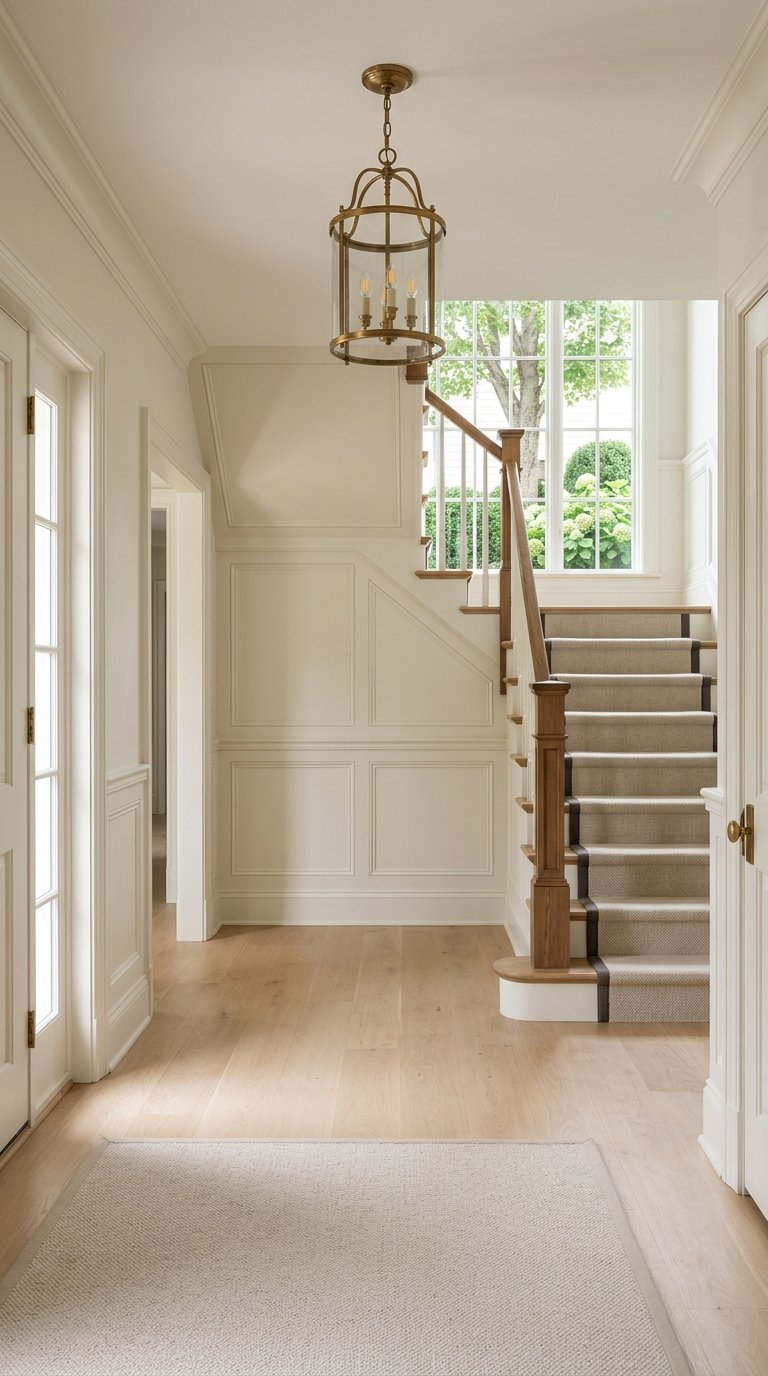
If you love houses with presence, proportion, and real architectural character, Wellesley is the kind of town that keeps your attention. You are not just looking at square footage here. You are looking at rooflines, window rhythm, lot placement, and the way a home sits on its street. This guide will help you understand the styles that shape Wellesley, what makes them appealing, and how architecture can influence value and resale. Let’s dive in.
Why Wellesley Architecture Stands Out
Wellesley’s architectural identity is tied closely to its history. The town began as a farming community, changed quickly after the railroad arrived in the 1830s, and by the 1920s was already known as one of Boston’s leading suburbs. In 1914, Wellesley also became the first town in America to adopt zoning laws, which helps explain why neighborhood character still plays such a visible role today.
For you as a buyer or seller, that history matters because architecture in Wellesley is not accidental. The town has an active preservation framework that covers renovations, additions, and some new construction. Local Historic Districts, Neighborhood Conservation Districts, Historic Preservation Design Guidelines, and Large House Review all shape how homes evolve over time.
The result is a town where curb appeal often feels especially cohesive. Houses tend to look settled into their lots, mature landscaping matters, and exterior changes are often viewed through the lens of neighborhood compatibility. In a market as competitive as Wellesley, that consistency can be part of what makes the town so appealing.
Colonial Revival Defines Classic Wellesley
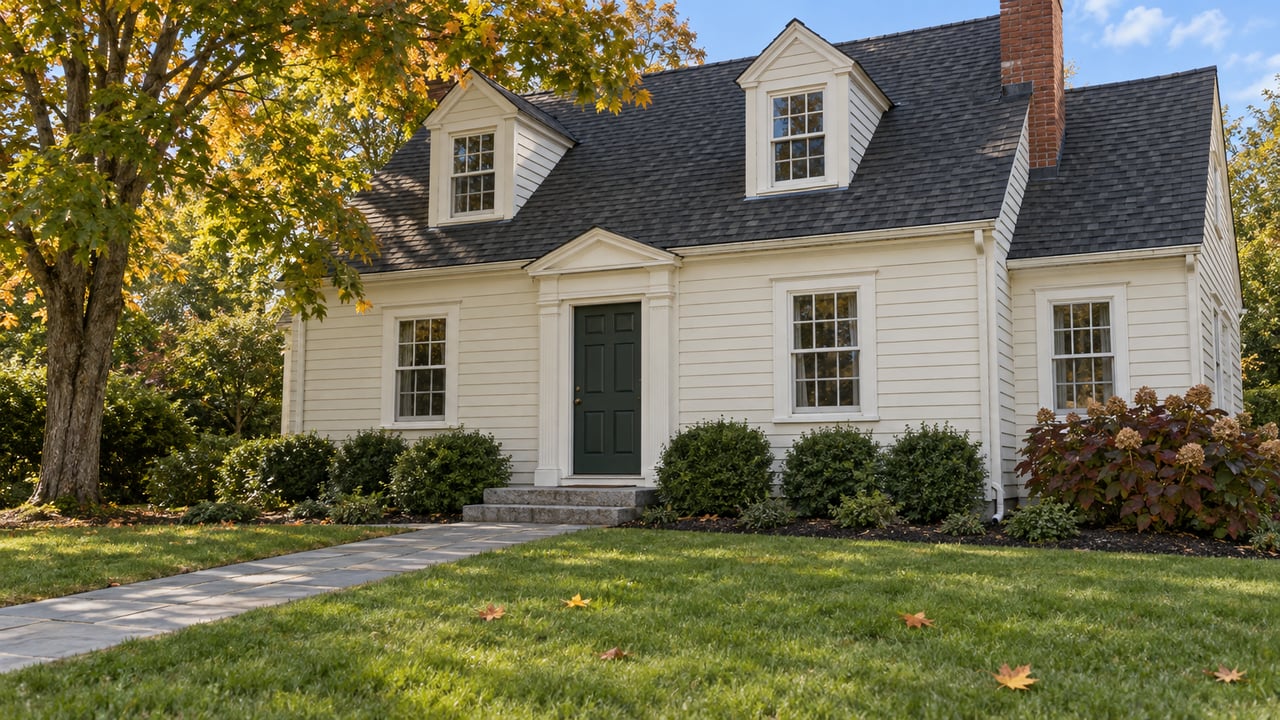
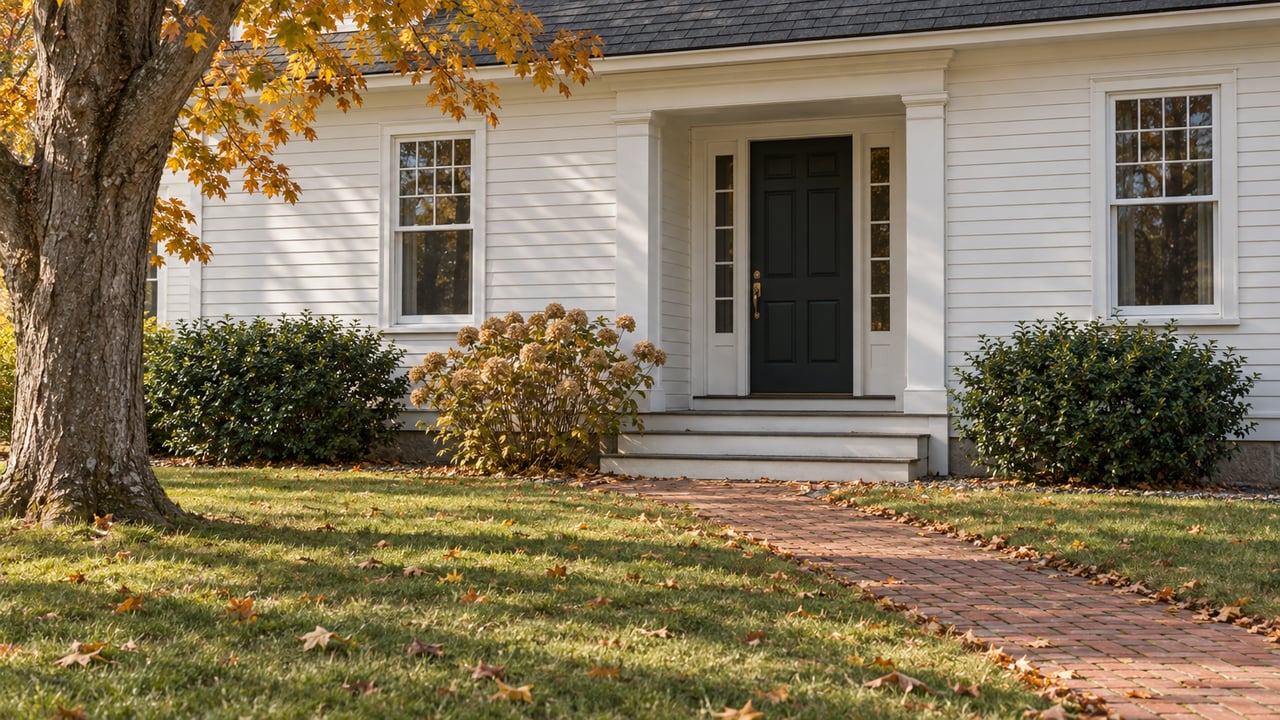
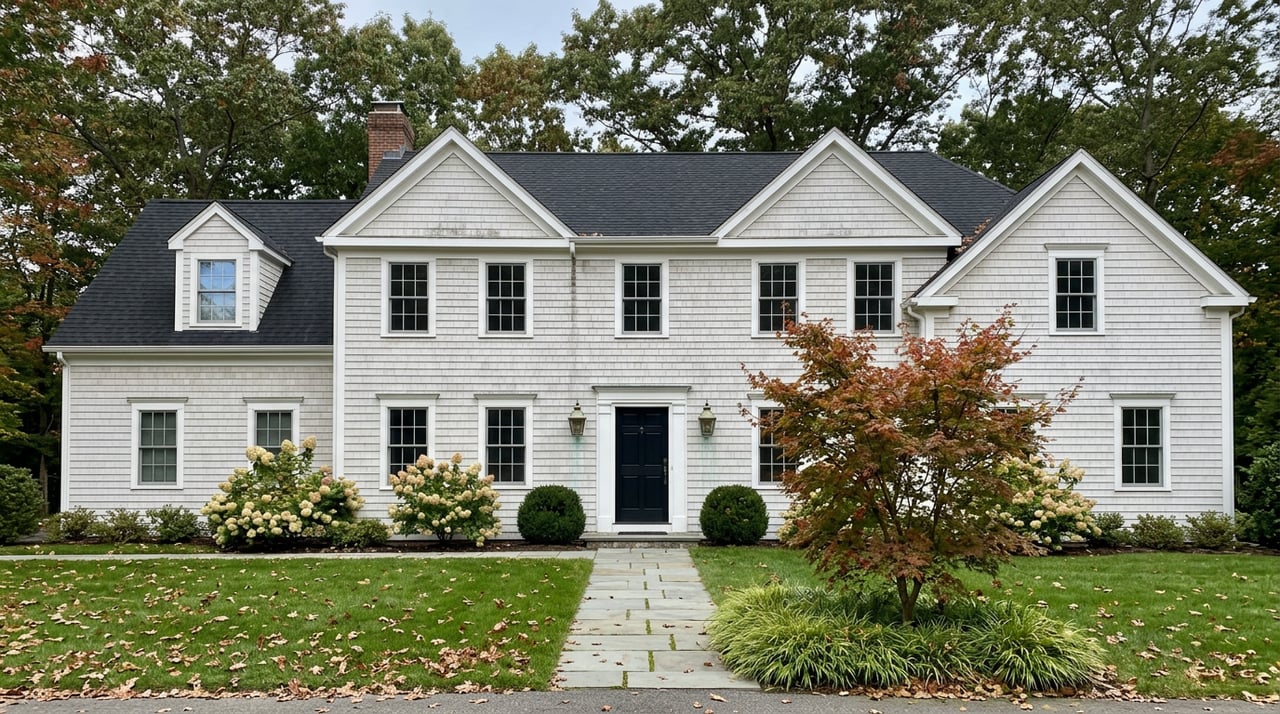
If there is one style that feels most closely tied to Wellesley’s visual identity, it is Colonial Revival. These homes are known for symmetry, classical detailing, center entrances, evenly spaced windows, columns or pilasters, and front porches or porticos. The look is traditional, balanced, and easy to recognize from the street.
In Wellesley, Colonial Revival shows up across multiple neighborhoods and preservation reports. You will often see side-gabled roofs, three-bay façades, dormers, fanlights, and crisp entry details that give these homes a strong sense of order. Even when individual houses vary, the overall effect is calm and timeless.
For design-minded buyers, Colonial Revival often feels easy to live with. Furniture layouts tend to make sense, rooms often feel proportionate, and the exterior reads as polished without trying too hard. For sellers, those same qualities can make a home broadly appealing because the style feels rooted in New England tradition.
Royal Barry Wills Influence Still Matters
In Wellesley, design lovers often talk about Royal Barry Wills-inspired houses with a kind of shorthand admiration. Wills was a Boston-based architect known for making traditional New England homes feel refined, practical, and beautifully scaled. Wellesley’s own historic reports note that his office helped shape the town’s residential character and that several Wills-designed homes still exist here.
What sets a Wills-influenced house apart is not flash. It is restraint. You may notice balanced windows and doors, thoughtful built-ins, modest but elegant detailing, and proportions that make the house feel older and more established than its construction date might suggest.
If you are comparing homes in Wellesley, this is one of those styles that can win you over slowly and then stay with you. A Wills-influenced home often feels comfortable from the start because the scale is so well judged. In neighborhoods with larger lots and traditional streetscapes, that kind of architectural discipline can be especially compelling.
Shingle Style Offers Softer Elegance
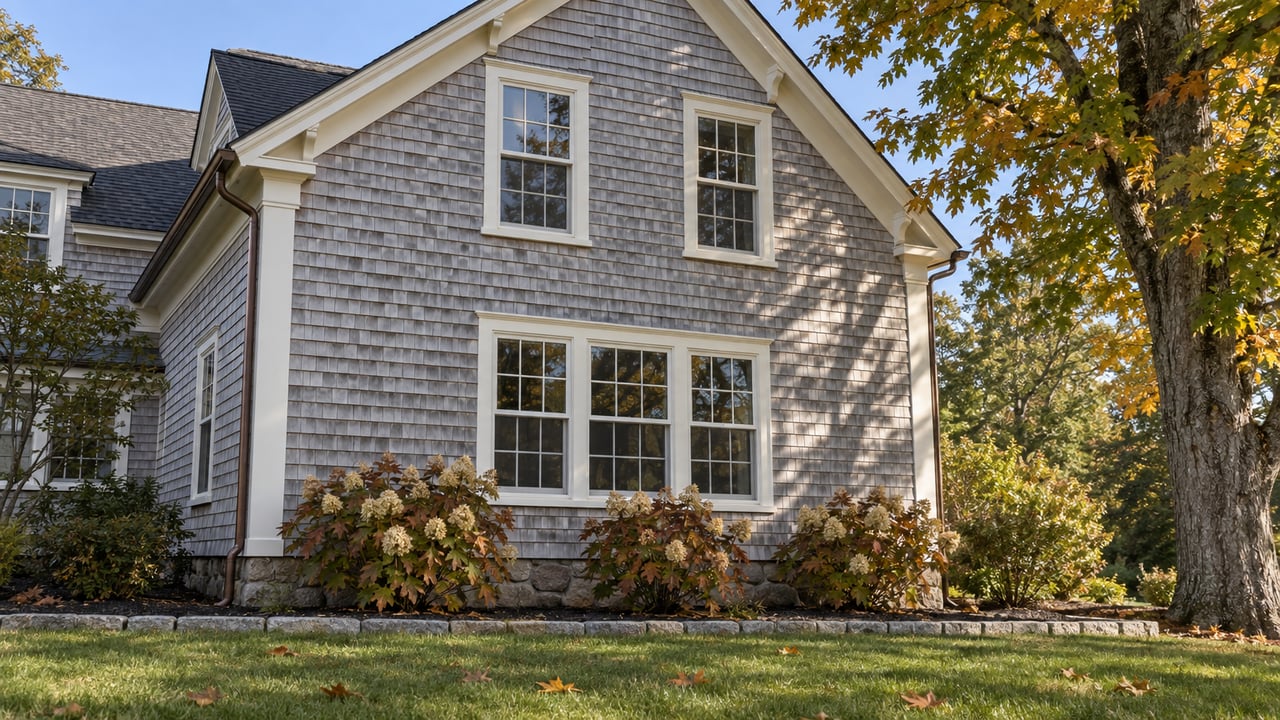
Shingle Style brings a different mood. Where Colonial Revival feels formal and symmetrical, Shingle Style often feels more relaxed and more architectural. The defining elements include wood shingles used as a continuous outer skin, asymmetrical forms, broad porches, and a massing that feels organic rather than rigid.
In Wellesley, this style can be especially attractive on larger lots where the house needs to feel substantial without becoming overly ornate. A Shingle Style home often works best when the roofline, the exterior texture, and the surrounding landscape all support one another. The effect is elegant, but not stiff.
For you as a buyer, this style may appeal if you want warmth and texture rather than strict formality. It can feel softer from the street and more connected to the setting. In a town where mature landscaping and strong street presence matter, that can be a real advantage.
Cape, Tudor, Garrison, and Hybrid Homes
One of the most interesting things about Wellesley is that many homes are not pure textbook examples of a single style. Instead, you will often find hybrids. A house may have a Colonial shell, Cape-like scale, Tudor detailing, or a Wills-inspired sense of proportion all at once.
Town reports point to this kind of mix in areas like Dana Hall, where Colonial Revival, Tudor Revival, modified Cape Cod, New England Colonial box, and Garrison homes appear as part of the local housing story. That blend gives parts of Wellesley a layered, evolved look rather than a one-note architectural identity.
For buyers, hybrid homes can be appealing because they often deliver character without feeling too formal. For sellers, they are a reminder that design value is not only about fitting neatly into one category. Often, what matters more is whether the house feels coherent, balanced, and true to its setting.
New Construction in Wellesley
Newer luxury homes are now an important part of the Wellesley market, but they are not built in a vacuum. The town’s Large House Review process applies to certain new homes and additions, with attention to scale, architecture, landscaping, lighting, siting, and compatibility with surrounding properties. In other words, bigger is not automatically better.
That review process helps explain why many newer homes in Wellesley blend traditional exterior cues with more contemporary interiors. You may see classic façades, orderly window placement, and garage placement tucked to the side or rear, paired with open floor plans, soaring ceilings, white oak cabinetry, exposed beams, and a more connected kitchen, dining, and living layout.
If you want newer construction, Wellesley offers it, but the strongest examples usually respect the street. Homes that feel intentional from the outside and highly livable on the inside tend to align best with local expectations. That balance matters for both enjoyment and future resale.
How Architecture Connects to Value
Wellesley is a high-priced and fast-moving market. Redfin’s May 2026 snapshot puts the median sale price at $1,998,804, with a median of 15 days on market, while Realtor.com shows a median listing price of about $2.5 million town-wide. In a market like this, architecture is not the only factor in value, but it is certainly part of the conversation.
Neighborhood-level listing prices also show how place and housing stock intersect. Realtor.com currently shows median listing prices of about $2.40 million in Wellesley Hills, $1.85 million in Dana Hall, $1.52 million in Linden Square, and $1.40 million in Wellesley Square. These are not substitutes for property-specific comps, but they help show that style, lot size, and neighborhood context often move together.
Wellesley’s historic materials support that idea. The town notes long-term property value resiliency in the Cottage Street Historic District, while other reports describe how areas like Cliff Estates developed with larger lots and specific planning choices. For you as a buyer or seller, the takeaway is simple: in Wellesley, architecture and value are closely tied to setting.
What Design Lovers Should Notice
When you tour homes in Wellesley, try to look past finishes alone. Paint colors and fixtures can change fairly easily. Proportion, massing, and siting are much harder to replicate.
A few details are especially worth noticing:
- Symmetry and overall façade balance
- Center entrances and well-defined porticos
- Side-gabled or hipped roofs
- Dormers that feel consistent with the roofline
- Window rhythm and spacing
- Wood shingles or clapboard that suit the house style
- Garages placed to the side or rear when possible
- Mature landscaping that softens the building mass
These details may sound subtle, but together they shape the feeling of a home. In Wellesley, the houses that often leave the strongest impression are the ones that feel coherent from every angle.
Smart Takeaways for Buyers and Sellers
If you are buying in Wellesley, architectural style can help you narrow your search. Colonial Revival and Wills-influenced homes often suit buyers who want timeless balance. Shingle Style may appeal more if you like texture and a softer silhouette. Hybrid homes can offer charm and flexibility, while newer construction may be the right fit if you want larger spaces and updated layouts.
If you are selling, the goal is usually not to chase trends. It is to highlight what already makes your home feel architecturally grounded. In Wellesley, that may mean leaning into proportion, preserving coherent exterior details, and presenting the house in a way that supports its original strengths.
That is where design-aware guidance can make a difference. When your marketing, photography, and presentation reflect the architectural story of a home, buyers often understand its value more quickly and more clearly.
If you are thinking about buying or selling in Wellesley and want a design-savvy, data-informed perspective, connect with Molly Campbell Palmer. She brings local market knowledge, thoughtful presentation, and boutique guidance to every move.
FAQs
What architectural style is most common in Wellesley homes?
- Colonial Revival is one of the most visible and defining styles in Wellesley, with symmetry, center entrances, and traditional New England detailing appearing throughout town.
What makes Royal Barry Wills homes special in Wellesley?
- Royal Barry Wills-inspired homes are known for careful proportions, balanced windows and doors, and traditional New England character that feels precise, livable, and enduring.
Are newer luxury homes common in the Wellesley real estate market?
- Yes. Newer luxury construction is an important part of the market, but larger homes are often reviewed for scale, siting, landscaping, and compatibility with the street.
How does architecture affect Wellesley home values?
- Architecture can influence curb appeal, buyer demand, and resale by shaping how well a home fits its lot, its street, and the broader neighborhood character.
What should buyers look for when touring Wellesley houses?
- Focus on lasting features like massing, rooflines, symmetry, window rhythm, exterior materials, and how the home sits on the lot rather than only on cosmetic finishes.
Why is neighborhood character such a big factor in Wellesley real estate?
- Wellesley has a long history of planning and preservation, including zoning, historic districts, conservation districts, and design review standards that help guide how neighborhoods change over time.