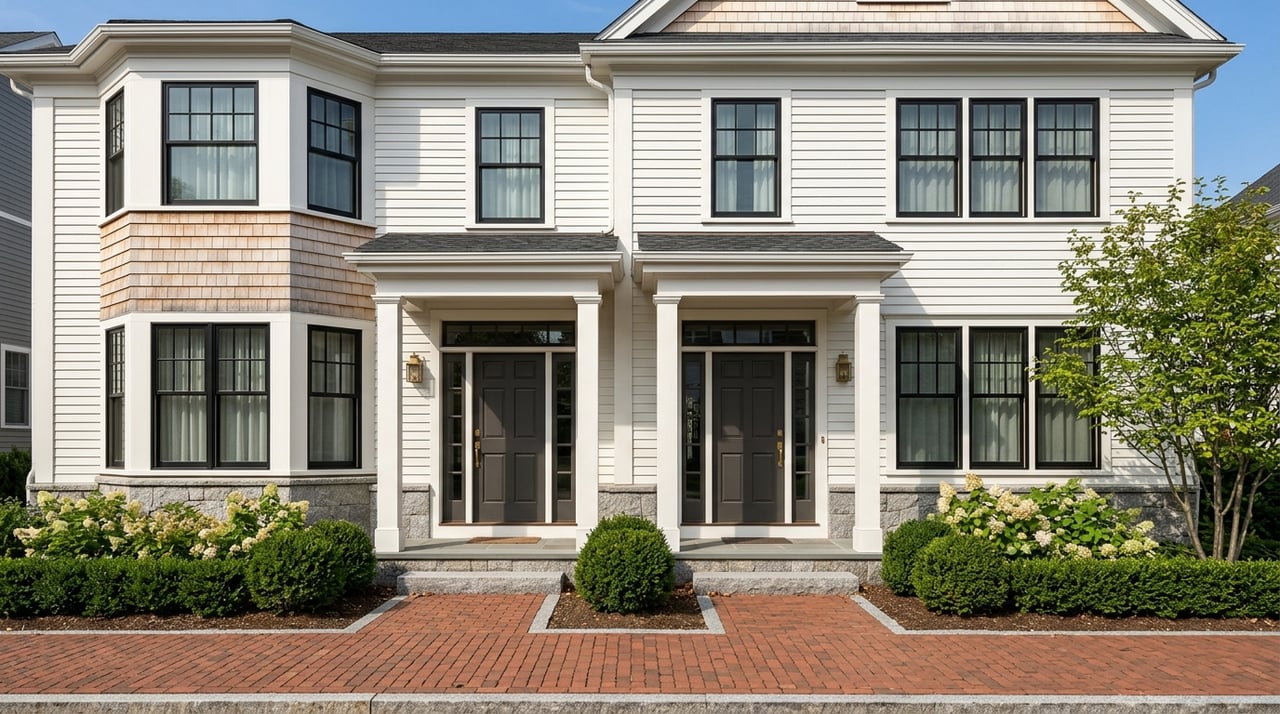
If you want Wellesley convenience without the upkeep of a large single-family home, village-center condos and townhomes deserve a close look. For many buyers, the appeal is simple: easier daily living, a shorter walk to errands, and better access to the train in a town that is only minimally walkable overall. If you are weighing lifestyle, budget, and commute, this guide will help you understand where attached homes fit in Wellesley and what to watch for as you compare options. Let’s dive in.
Why village living stands out in Wellesley
Wellesley’s day-to-day rhythm is shaped by its traditional village centers, including Wellesley Square, Wellesley Hills, the Fells area, and Linden Square. The town also notes key retail anchors in and around these areas, including the original Roche Bros. in Linden Square and Whole Foods on Washington Street. That village pattern matters because it creates the pockets where attached living feels most practical.
Wellesley has three MBTA Framingham/Worcester Line stations: Wellesley Square, Wellesley Hills, and Wellesley Farms. According to the town, you can reach these stations by walking, biking, using Catch Connect, or driving and parking, and all stations have bike racks. Metered parking and all-day commuter lots in station areas also add flexibility if you are not walking from home.
That access is a big reason condos and townhomes near the train have their own appeal. In a town where overall walkability is limited, the village and station areas offer some of the most useful locations for buyers who want a true walk-to-errands-and-train lifestyle. If that is your priority, location inside Wellesley can matter just as much as square footage.
Where to focus your search
Linden Square and nearby streets
Linden Square is one of the clearest examples of in-town convenience in Wellesley. Current listings in this area often emphasize access to shops, restaurants, Whole Foods, and the train, which makes it especially appealing if you want a more connected daily routine. It is also one of the places where you can see a broad range of attached-home price points.
Recent examples in the Linden Square area include attached homes priced at $829,000, $1,099,000, and $1,195,000. At the newer Albion building at 16 Stearns, current listings range from $999,900 to $1,747,200, with one example at $1,498,000. This shows how quickly pricing can change based on building age, finishes, garage parking, and amenity package.
Wellesley Square and Wellesley Hills
Wellesley Square and Wellesley Hills also deserve attention if your goal is train access and daily convenience. Both station areas offer commuter parking, metered parking, and bike rack access according to the town. Buyers who want to simplify errands and commuting often start here because these village centers support a more efficient routine.
Inventory can be limited, though, so timing matters. In a tight market, attached homes in these locations can feel like a separate submarket from the broader Wellesley single-family inventory. That is especially true when a unit offers elevator access, garage parking, or a location close to shops and the station.
What condos and townhomes cost near the train
Wellesley’s attached-home market is limited, and that scarcity shapes pricing. A recent Redfin snapshot showed just 11 condos for sale in town, with a median listing price of $1.37 million. Over the last three months, the broader Wellesley market posted a median sale price of about $2.0 million, with an average market time of 15 days.
For many buyers, that gap helps explain the appeal of condos and townhomes. Attached homes can offer a lower entry point into Wellesley than many single-family options while still giving you access to village living and commuter rail service. That does not make them inexpensive, but it does make them a practical alternative for buyers who value convenience and lower maintenance.
The upper end of this market can still reach well above $2 million. One unit at 100 Linden Street sold for $1.96 million, and another is currently listed at $2.395 million. In other words, if you want newer construction, stronger amenities, garage parking, and a prime in-town setting, you should expect pricing to reflect that.
Why townhouse inventory feels so tight
Townhouse supply in Wellesley is especially limited. A recent Redfin townhouse snapshot showed only two active townhouses in town, priced at $1.195 million and $1.625 million. When inventory is that thin, well-located homes can attract fast attention.
This is one reason attached homes near the train often behave like a niche market. Buyers are not only comparing bedrooms and baths. They are also comparing station proximity, maintenance needs, HOA structure, and whether a home feels like a townhouse enclave or a full-service condo building.
How to compare attached-home options
When you tour village-center condos and townhomes in Wellesley, a few details will tell you a lot about value.
Station distance and daily convenience
A short distance to the train can change how a home lives day to day. The same goes for being near groceries, dining, and services in village centers like Linden Square, Wellesley Square, and Wellesley Hills. If your goal is to reduce car trips, this should sit near the top of your checklist.
Building style and layout
Some attached homes live more like traditional townhouses, while others feel more like full-service condominiums. Townhouse-style communities may offer a more private feel and simpler common areas. Larger buildings may offer elevators, club spaces, and more structured services.
Parking and storage
Parking is a major point of separation in this market. Some newer properties include garage spaces, while others may rely on surface parking or a more limited setup. If you commute, entertain often, or want easier winter living, parking can have a meaningful impact on long-term satisfaction.
Elevator and amenity package
Not every buyer wants amenities, but they do affect value and monthly cost. In current Wellesley examples, some buildings offer features like elevators, fitness rooms, clubrooms, concierge-style service, bike storage, EV charging, and garage parking. If you are downsizing or planning for long-term ease, these details may be worth paying for.
What HOA fees often cover
HOA fees are one of the most important parts of comparing condos and townhomes, and the monthly number only tells part of the story. In Wellesley, current examples show that fees often support core building operations and common expenses such as water, sewer, insurance, structure maintenance, snow removal, and trash. Some communities also include reserve funds or heat.
For example, one Wellesley townhouse-style condo has an HOA fee of $825 per month that includes water, sewer, insurance, structural maintenance, snow removal, and trash. Another condominium has a $474 monthly fee that includes heat, water, sewer, insurance, structure and grounds maintenance, snow removal, trash, and reserve funds. That is why it is so important to compare what the fee actually covers, not just the fee itself.
At the higher end, fees can increase as amenities increase. A current example at 100 Linden shows a $1,342 monthly HOA tied to a more full-service building with concierge, property management, a club room, fitness center, golf simulator, bike storage, EV charging, and two garage spaces. At the Albion, one listing shows a quoted HOA of $840 along with two garage spots.
Condos versus single-family homes in Wellesley
For many buyers, the decision comes down to price versus convenience. Wellesley’s broader market has a median sale price of about $2.0 million, so many village-center attached homes offer a lower point of entry. In exchange, you may give up a private yard or larger footprint but gain a more manageable lifestyle.
That tradeoff can make sense if you want to stay in town while cutting maintenance. It can also be appealing if you are relocating and want time to learn Wellesley from the inside before making a bigger long-term housing move. For some buyers, being near the train and daily services matters more than owning more land.
The most convenient units usually sit at the top of the pricing ladder. Newer or renovated homes with garages, elevators, and stronger amenity packages tend to command premium pricing. Older townhouse-style condos in the village core can sometimes offer a more accessible way into the market, often with simpler HOA structures and lower-maintenance living than a detached home.
Who this lifestyle fits best
Village-center condos and townhomes often appeal to buyers who want less upkeep and more convenience. That can include downsizers, busy professionals, and relocating buyers who want to stay connected to Wellesley’s in-town amenities. The common thread is usually the same: you want a home that supports an easier routine.
If that sounds like you, it helps to be clear about your top priorities before you start touring. A garage may matter more than a fitness room. Elevator access may matter more than extra square footage. A shorter distance to the station may matter more than having a larger outdoor area.
A smart way to approach your search
Because inventory is limited, preparation matters. The best opportunities can move quickly, especially when a property combines a strong in-town location with the right layout and a manageable HOA structure. Having a clear framework will help you act decisively.
As you compare options, focus on these questions:
- How close is the home to a village center and train station?
- What does the HOA fee actually include?
- Does the property offer garage parking or storage?
- Is there elevator access?
- Does the home feel more like a townhouse or a service-rich condo building?
- How does the price compare with current attached and single-family alternatives in Wellesley?
If you want help sorting through these tradeoffs, local context makes a real difference. Understanding which micro-locations offer the best mix of convenience, pricing, and long-term value can help you narrow the field quickly. When you are ready to explore Wellesley village living with a tailored strategy, connect with Molly Campbell Palmer.
FAQs
What makes Wellesley village living different from other parts of town?
- Wellesley’s village centers, including Wellesley Square, Wellesley Hills, the Fells area, and Linden Square, offer the most practical access to shops, services, and commuter rail in a town that is minimally walkable overall.
What train stations serve Wellesley condo and townhome buyers?
- Wellesley has three MBTA Framingham/Worcester Line stations: Wellesley Square, Wellesley Hills, and Wellesley Farms, and the town notes that each has bike racks with access by walking, biking, ride service, or parking.
What is the price range for Wellesley condos near the train?
- Current examples range from about $829,000 for some attached homes in the Linden Square area to well over $2 million for premium units with stronger amenity packages and garage parking.
Why are Wellesley townhomes hard to find?
- Recent market snapshots showed only two active townhouses in town, which reflects how limited this segment can be compared with both condos and single-family homes.
What do HOA fees usually cover in Wellesley attached homes?
- Current examples show HOA fees often covering items like water, sewer, insurance, structural maintenance, grounds maintenance, snow removal, trash, and sometimes heat or reserve funds.
How should you compare Wellesley condo HOA fees?
- You should compare HOA fees by what they include, since a lower monthly number may cover fewer services while a higher fee may include amenities like elevators, concierge-style service, fitness rooms, EV charging, or garage parking.
Are condos and townhomes cheaper than single-family homes in Wellesley?
- Many village-center attached homes offer a lower entry point than the broader Wellesley market, which recently showed a median sale price of about $2.0 million, though premium condo units can still exceed that mark.