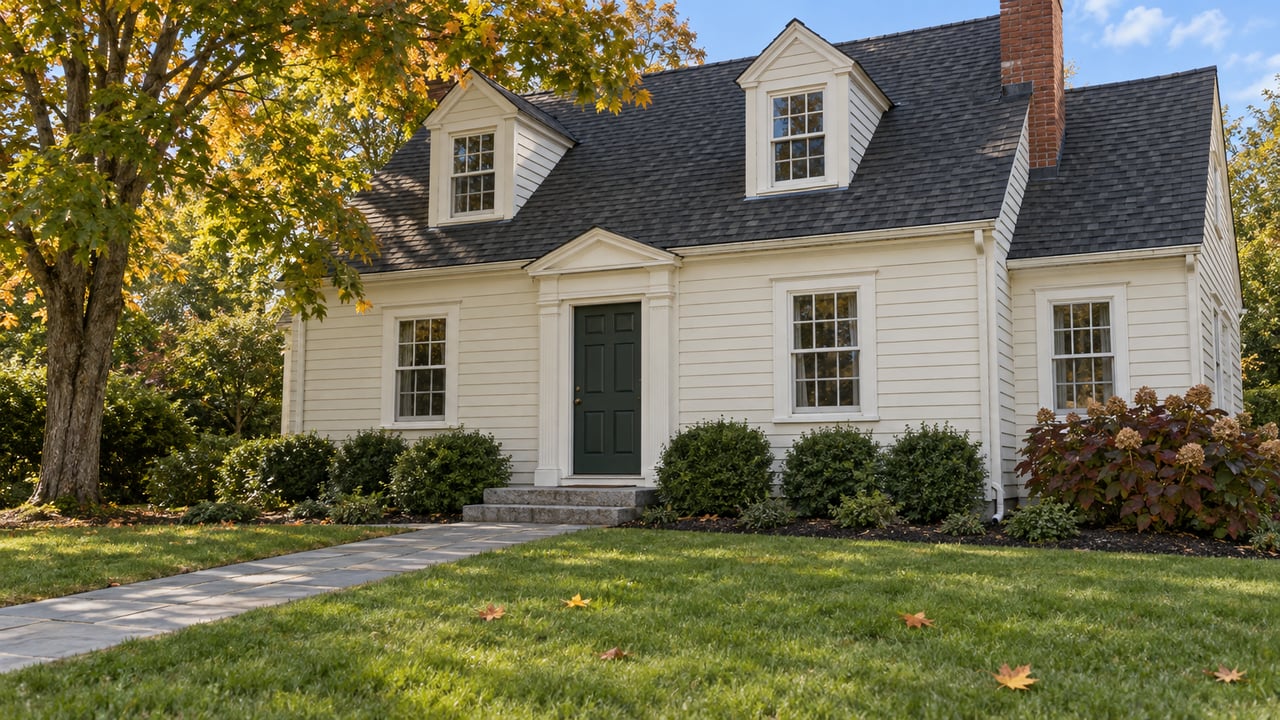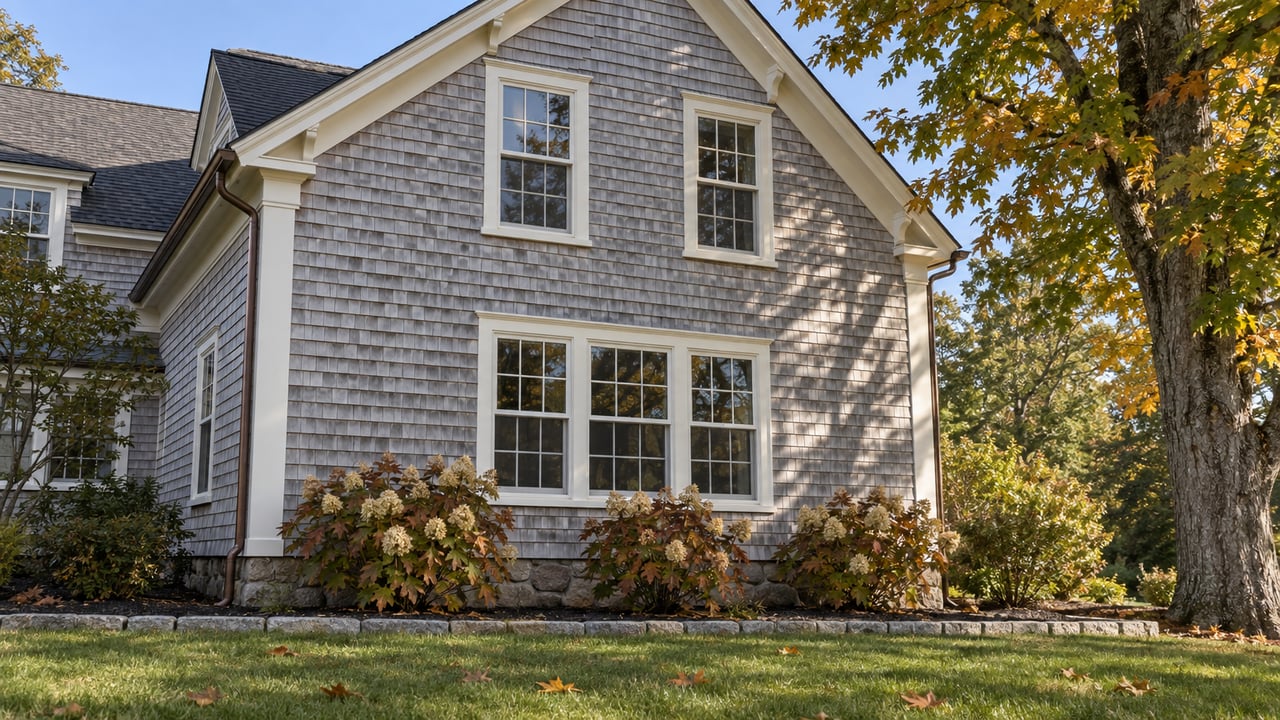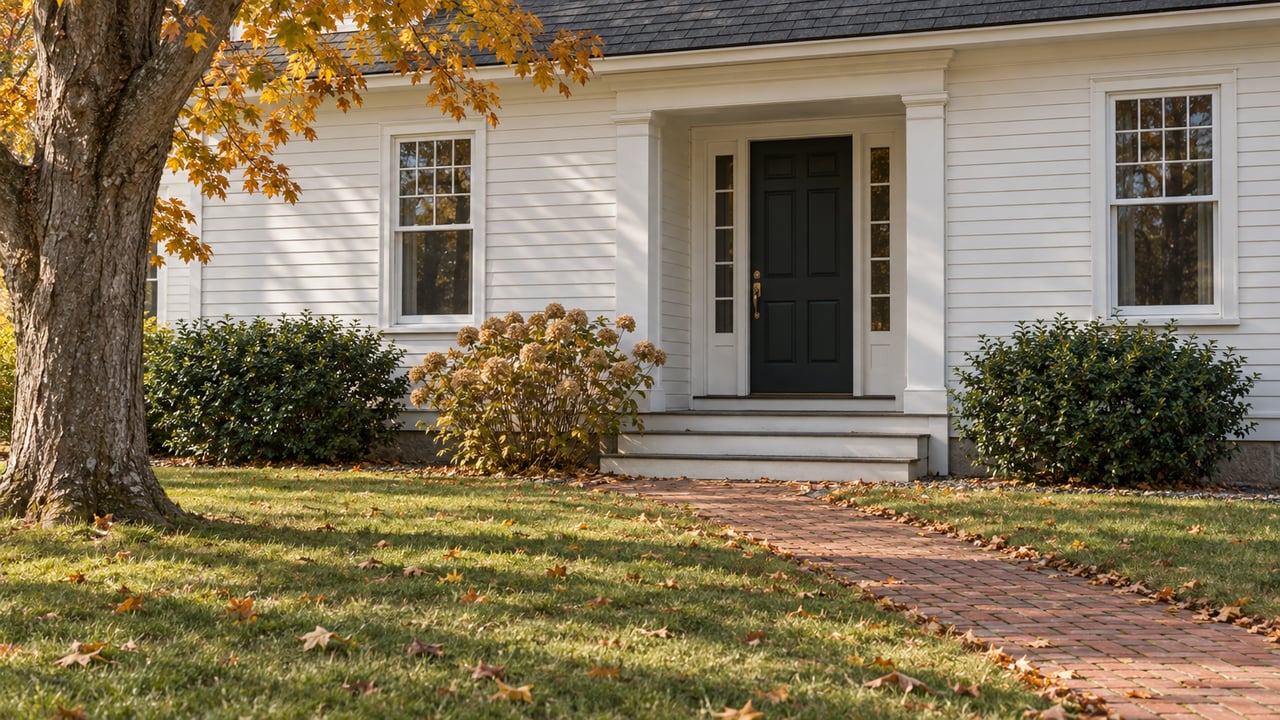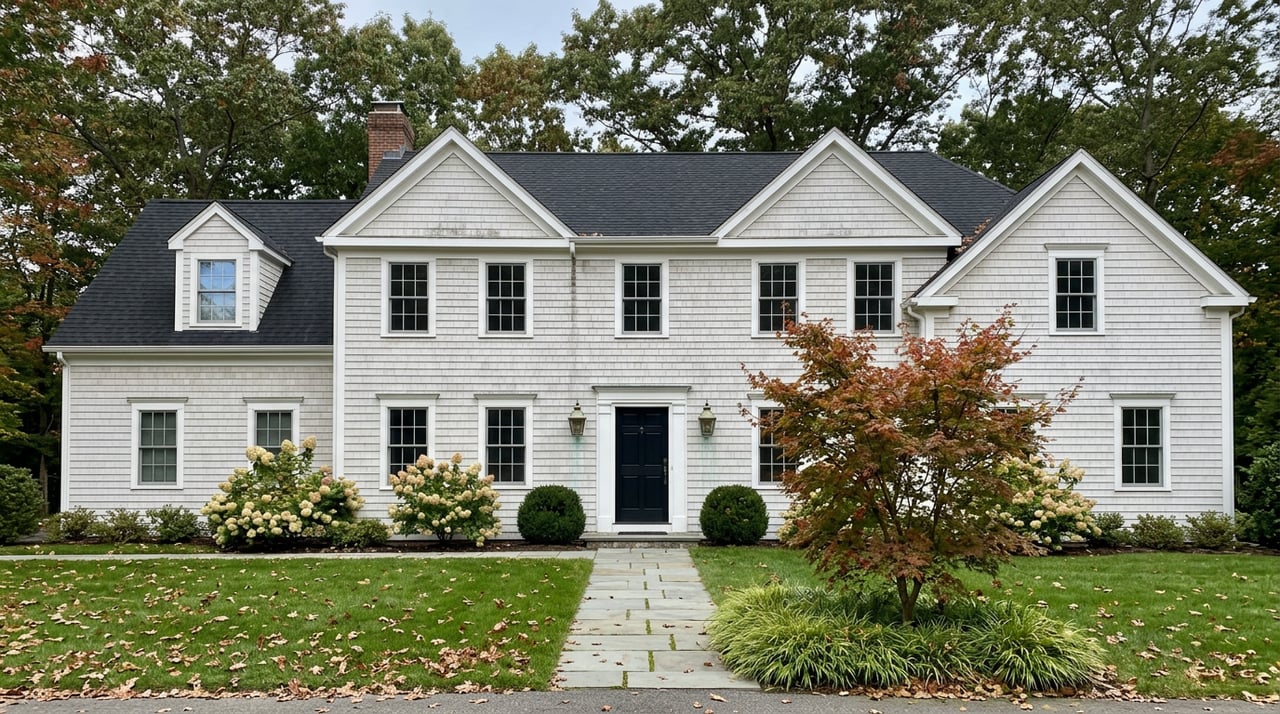
Is there a “right month” to sell in Wellesley? If you are planning a move in the next year, timing matters more than most people realize. The school calendar, New England weather, and commuting cycles all shape when homes list, how quickly they go under agreement, and the terms you can negotiate.
This guide explains the seasonal patterns you can expect in Wellesley and nearby Norfolk County suburbs of Greater Boston. You will learn how the month-by-month rhythm affects pricing, days on market, and buyer behavior, plus what to do in each season to create leverage. If you want a late June closing, you will also find a practical timeline to work backward with confidence. Let’s dive in.
Why Wellesley is seasonal
Several local drivers shape the real estate calendar in Wellesley, Wellesley Hills, Wellesley Farms, and Wellesley Square:
- School calendar and enrollment timing influence many families to target spring listings with early summer closings. This creates a spring surge in both new listings and accepted offers.
- Weather and curb appeal matter. Spring landscaping and clear sidewalks make photos and showings easier than in late winter.
- Commuting and employment cycles tied to Boston access via commuter rail and Rt. 128 often cluster relocations in late spring and early summer.
- Mortgage rates and the broader market can amplify or compress seasonality. When rates are elevated, the spring spike may be less pronounced.
- Inventory and buyer behavior shift by month. Spring brings the most competition, while summer and year-end often see fewer, but sometimes more motivated, buyers.
- Price segment differences: entry-level segments show stronger seasonality, while luxury and unique homes are more schedule driven and less seasonal.
Month-by-month patterns
Winter: January to February
- Listings: Usually the lowest count of the year. Sellers who go live now are often on defined timelines and value speed and certainty.
- Buyers: Fewer shoppers, but the ones touring are typically serious. Reduced competition can help buyers negotiate terms.
- Closings: Lower volume. Holidays and weather slow activity.
- Tactics: Focus on interior presentation, lighting, and clear winter access. Price with the season in mind, then back it with pre-inspections and strong buyer pre-approval requirements.
Spring surge: March to May
- Listings: Highest new-listing volume. Many sellers prep during late winter to catch early spring demand.
- Buyers: Competition peaks. Days on market often shorten, and multiple-offer situations are common in stronger conditions.
- Closings: Peak closings follow in May through July as spring contracts reach the finish line.
- Tactics: Professional staging, polished landscaping, and standout photography pay off. Plan for a strategic first two weeks on market with flexible showings and clear offer procedures.
Summer: June to August
- Listings: Moderates from spring. Some sellers pause for travel plans and buyer schedules.
- Buyers: Activity thins, but serious shoppers remain, including relocating families and those who missed spring. Negotiation windows can open.
- Closings: Many stem from spring contracts, though early summer listings can still close before the new school year with tight timelines.
- Tactics: Spotlight outdoor living, gardens, and pools. If inventory rises, consider measured price adjustments or incentives like flexible closing dates.
Fall: September to October
- Listings: A second, smaller wave appears as families reset post-summer.
- Buyers: Motivated and focused, often preferring to wrap a move before year-end.
- Closings: Moderate. Many contracts target late fall or early winter closings.
- Tactics: Lean into clean, seasonal curb appeal. Competitive pricing and clear timelines help attract decisive offers.
Year-end: November to December
- Listings: Among the lowest months for new supply. Sellers on market now tend to be time driven or using specific year-end strategies.
- Buyers: Fewer showings but a higher share of prepared buyers, including cash and relocation shoppers. Holiday schedules limit casual touring.
- Closings: Lower volume, and service providers can slow around holidays, so plan for buffer time.
- Tactics: Emphasize warm interiors and low-friction showings. Consider targeted outreach and incentives when appropriate.
Seller strategies by season
Winter seller playbook
- Pricing: Set realistic expectations to meet a smaller buyer pool.
- Prep: Complete a pre-listing inspection, finish minor repairs, and stage for light and warmth.
- Contracts: Require strong pre-approvals and prioritize certainty of close.
Spring seller playbook
- Pricing: You can price more assertively if demand is high, but anchor strategy to the first 7 to 14 days on market.
- Prep: Paint, landscape, and stage before you list. Lock in professional photography.
- Contracts: Prepare for multiple offers, and plan for appraisal and escalation strategies.
Summer seller playbook
- Pricing: Watch competing inventory and adjust if traffic is thin after 10 to 21 days.
- Prep: Maintain vibrant landscaping and highlight outdoor amenities.
- Contracts: Offer flexible dates to meet buyers’ vacation and school schedules.
Fall seller playbook
- Pricing: Use competitive pricing to stand out during a tighter window.
- Prep: Touch up exteriors, clear leaves, and refresh seasonal decor.
- Contracts: Consider buyer incentives, such as a closing credit for needed updates.
Year-end seller playbook
- Pricing: Price to attract a smaller pool of motivated buyers.
- Prep: Focus marketing on warm interiors and ease of showing.
- Contracts: Build in a little extra time for lender and title processes around holidays.
Buyer strategies by season
Winter buyer tactics
- Use lower competition to negotiate price and terms while maintaining inspection and financing protections.
Spring buyer tactics
- Have a current pre-approval, understand the comps, and decide on escalation and appraisal options before you write.
Summer buyer tactics
- Stay selective, and use slower foot traffic to seek fair pricing and flexible dates.
Fall buyer tactics
- Look for well-prepped homes from sellers who missed spring, and move decisively when the fit is right.
Year-end buyer tactics
- Target motivated listings, and have cash or confirmed financing ready to move ahead of other buyers.
Plan for a late June closing
If your goal is to be closed by June 30, work backward:
- Desired close date: June 30, with a typical contract-to-close of 30 to 45 days.
- Target offer acceptance: May 15 to June 1.
- Optimal list window: March 20 to April 20, which captures peak spring demand and allows time for broad exposure and strong offer activity.
- Six to eight weeks before list: Declutter, complete minor repairs, and schedule a pre-listing inspection and staging.
- One to two weeks before list: Finalize pricing, complete professional photography, and pre-market to active buyer pools.
Pricing and timing cues to watch
Great pricing in Wellesley starts with current data and real-time feedback:
- Supply and demand: Track months of inventory and how many similar homes are active.
- Fresh comps: Use recent comparable sales within the last 30 to 90 days.
- Buyer traffic: Measure showings in the first 7 to 14 days. If traffic is high in spring with limited inventory, a slightly lower list price can spark stronger offers. In winter or year-end, emphasize clear value and confidence of close.
- Review window: Set a 10 to 14 day check-in to decide on adjustments based on activity and feedback.
Neighborhood and price-tier nuance
- Entry-level and mid-tier homes: These segments typically show the most pronounced spring surge in showings and offers.
- Luxury and unique properties: These can be less seasonal and more buyer-specific. Private tours, bespoke staging, and a longer runway often yield better outcomes.
- Micro-markets in Wellesley: Wellesley Hills, Wellesley Farms, and Wellesley Square each have different lot types, architecture, and walkability. Align your pricing and presentation with the most relevant comps in your immediate area.
What to track each month
If you like to think in data, these metrics help you read the market as you plan your timeline:
- New listings by month, last 3 to 5 years
- Closed sales by month, last 3 to 5 years
- Median sale price by month and year over year
- Average days on market by month
- Months of inventory and active listings by month
- Sale to list price ratio by month
- Share of cash sales, if available
Local MLS data and Massachusetts market reports, county deed records, and town assessor data can confirm listing and closing seasonality. Pair those with your home’s presentation strategy to time your move with confidence.
How we help you win the season
You get one chance to launch your home to the Wellesley market each season. A polished, design-forward presentation, strategic pricing, and targeted exposure are the levers that turn timing into results. With boutique, high-touch service and a global marketing platform, you can meet the market at its strongest moments without leaving money on the table during quieter months.
If you are considering a spring listing, a summer relocation, or a fall reset, reach out for a season-specific plan that fits your goals. From concierge staging and editorial-quality photography to data-driven pricing and private-tour strategies for luxury listings, you will have a clear roadmap from first consult to closed sale. When you are ready, connect with Molly Campbell Palmer for a tailored plan and an instant valuation to get started.
FAQs
What is the best month to sell a home in Wellesley?
- Spring months often deliver the fastest pace due to higher buyer demand, while your exact timing should align with your property type and goals.
Do homes sell for more in Wellesley during spring?
- Many markets see higher prices and faster sales in spring, though results vary by year and price tier, so use fresh local comps and inventory data.
Can buyers find better deals in Wellesley in winter?
- Yes, lower competition can create negotiation room, but there are fewer listings, so prep your financing and move quickly when the right home appears.
How far ahead should I list to move before school starts?
- Work backward from a late June or early July closing, aim to accept an offer by mid to late May, and plan a March to April launch with prep starting 6 to 8 weeks earlier.
How do mortgage rates affect seasonal patterns in Wellesley?
- Higher rates can compress seasonality, which means the spring spike may be less dramatic and pricing strategy matters even more.
Are cash buyers more active at year-end in Wellesley?
- Often yes, late fall and year-end can bring a higher share of motivated and cash buyers, so clear pricing and swift timelines help you capture them.