Thinking about buying new construction in Wellesley? The promise of a bright, energy‑efficient home with modern layout and minimal maintenance is appealing, but the path to closing looks different from a resale. You want clear steps, realistic timelines, and local rules that actually impact what you can build and when. This guide walks you through types of builds, permits, zoning, financing, warranties, and a practical checklist tailored to Wellesley. Let’s dive in.
Why new construction in Wellesley
Wellesley is a premium suburban Boston market, with the median single‑family sale price sitting around $2 million in 2025. You should expect strong demand and a competitive environment for well‑located new builds. Statewide, new‑home listings have been pricing above existing homes, and in premium suburbs the gap is often wider. That context helps you plan budget and timing before you fall in love with a spec or semi‑custom opportunity.
- According to local market reporting, Wellesley’s median single‑family price trends above $2M in 2025. You can review current figures in the Massachusetts Association of REALTORS® Wellesley update for more context on price and inventory. (Wellesley market report)
- Massachusetts data shows new homes have commanded higher list prices than existing homes, with median new listings topping $1M in 2024. Expect a material premium for new construction in Wellesley. (Statewide new‑build pricing context)
What you can build and where
New construction in town typically falls into four paths:
- Spec/production homes: the builder constructs a plan and lists near completion. Faster path, smaller upfront deposit.
- Semi‑custom: you select from plans and options, with some finish choice and modest plan tweaks.
- Full custom: you and a design team create a unique plan. Longer lead time and larger deposits.
- Infill or small subdivisions: newly created lots or tear‑downs where zoning and site planning drive what is possible.
Wellesley’s zoning shapes all of these. The town divides neighborhoods into area‑regulation districts with minimum lot sizes of 10,000, 15,000, 20,000, 30,000, or 40,000 square feet, along with setback, frontage, and coverage limits. Those rules influence footprint, height, driveway placement, and yard usability. The bylaw also includes processes like Large House Review and tree protection that often apply to new single‑family homes and tear‑downs. For specifics, reference the Zoning Bylaw as amended through the 2025 Annual Town Meeting. (Wellesley Zoning Bylaw)
Lot size and zoning basics
- Confirm the lot’s district on the zoning map and the minimum lot area band that applies. This sets the starting envelope for design.
- Review setbacks, lot coverage caps, height limits, and frontage rules. These can affect garage location, outdoor space, and perceived massing.
- Ask whether Large House Review, Design Review, or tree protection rules may be triggered. Early clarity helps you avoid redesigns.
Timeline from plan to keys
Build timelines vary by product type and permit complexity. Recent national reporting shows an average single‑family permit‑to‑completion time near 10 months across the U.S., with New England tending longer. In Wellesley, custom and luxury projects often run 12 months or more from permit to Certificate of Occupancy, not counting design and approvals.
- Average single‑family build times have trended around 10 months nationally, with regional differences. Expect longer durations for custom builds. (Construction duration data)
- Local permitting and reviews can add weeks to months. Plan for contingencies tied to weather, material lead times, and change orders. (Wellesley Building Department)
Finish standards buyers expect
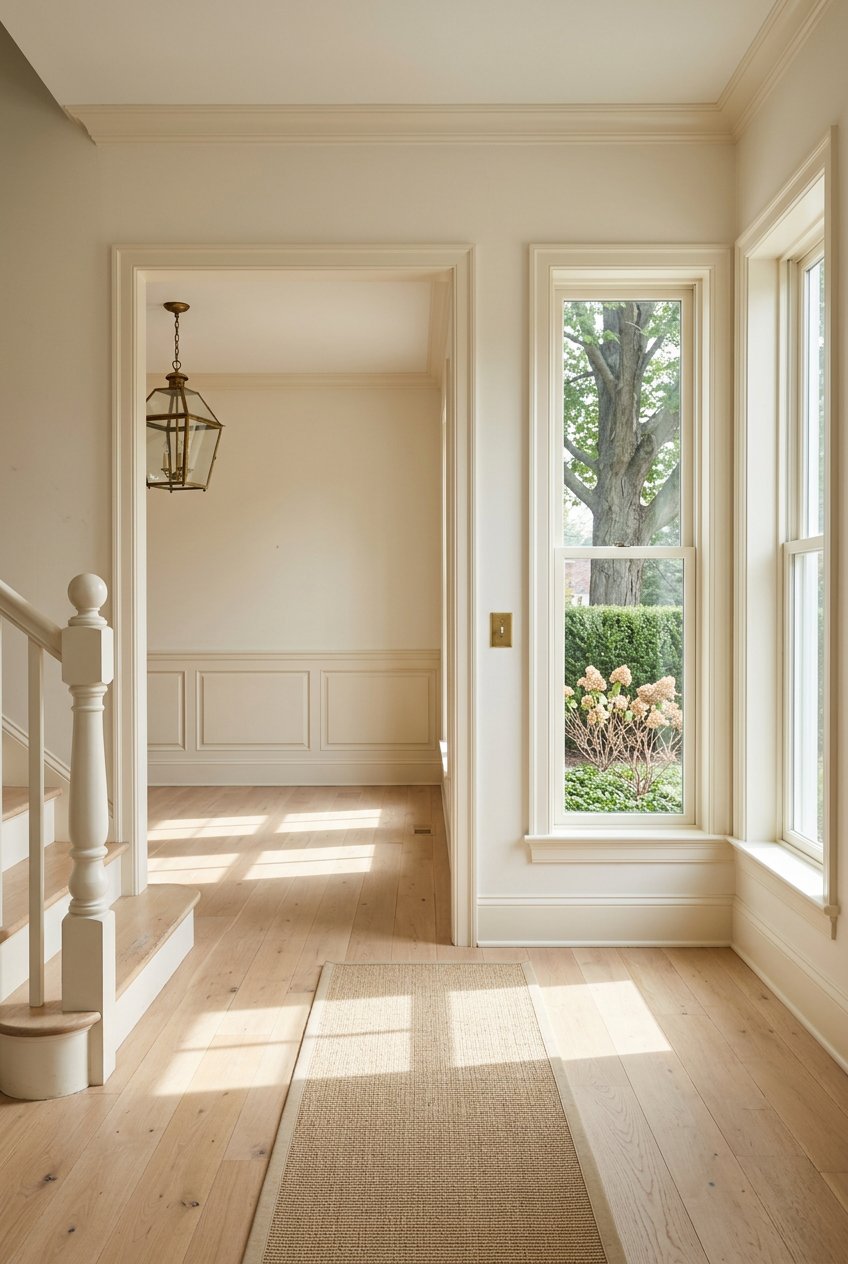
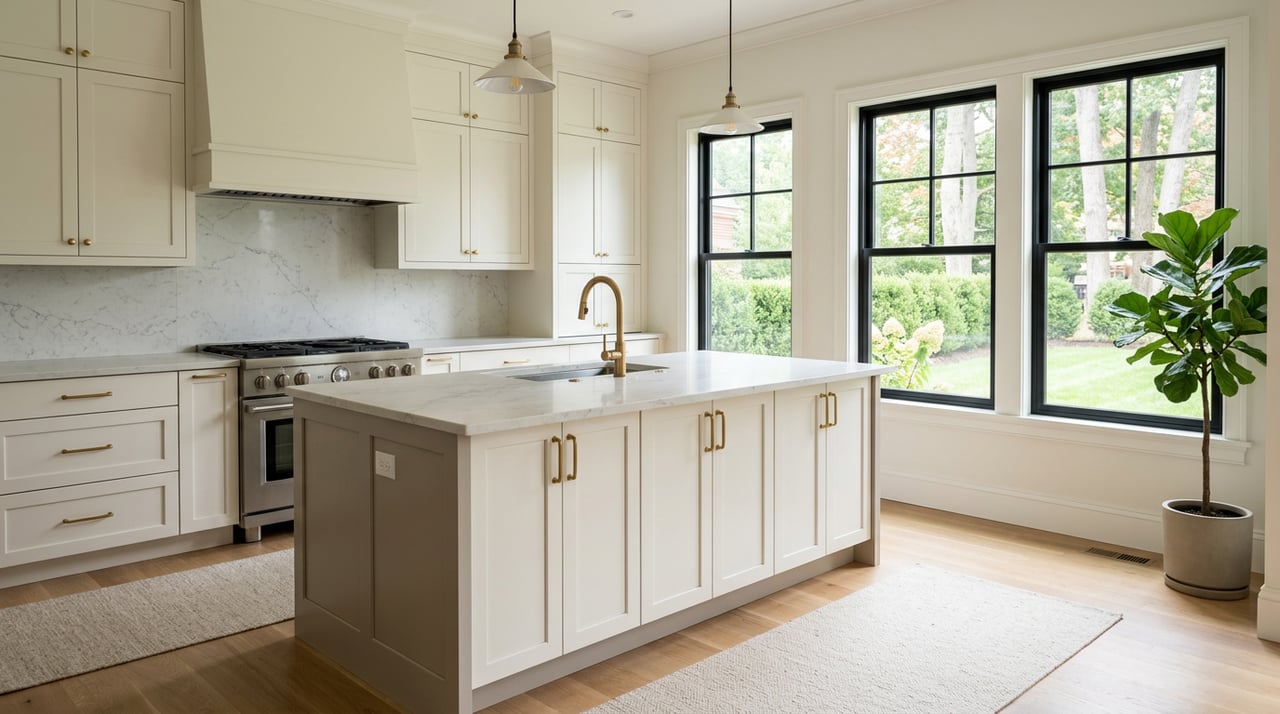
Most Wellesley new builds prioritize open kitchens with stone or quartz counters, professional‑style appliances, wide‑plank hardwoods, and well‑appointed mudrooms. Expect tile baths, custom trim, and thoughtful storage. Mechanical systems trend energy efficient, often with heat pumps and balanced ventilation, and many projects offer EV‑charging readiness. Massachusetts updated its building energy codes in 2025, and many communities follow Stretch or Specialized pathways that elevate performance, testing, and documentation. (2025 MA energy codes overview)
Permits and reviews that shape your schedule
Your primary point of contact is the Wellesley Building Department for permits and inspections. Larger or site‑sensitive projects can involve Planning Board, Zoning Board of Appeals, Conservation Commission, and Design Review or Large House Review depending on scope. Understanding which boards you will visit helps you set realistic dates and contingencies. (Wellesley Building Department)
Wetlands and site work
If your lot is near a stream, wetland, or buffer, you may need to file a Notice of Intent and secure an Order of Conditions before site work. This is a common driver for schedule and engineering costs. Plan for erosion controls, drainage, and stormwater compliance early in the process. (Wetlands Protection Act guidance)
Historic demolition review
Tear‑down plans can be subject to Wellesley’s Demolition Review bylaw. If a structure is deemed historically significant, a review and a potential delay of up to 12 months can apply. Build this possibility into your acquisition timing and financing strategy. (Demolition Review program)
Energy code and testing
Massachusetts adopted the 10th edition of the State Building Code, and many communities, including Wellesley, use Stretch or Specialized energy code pathways. New homes often require third‑party verification such as HERS ratings, blower‑door testing, and documentation on mechanicals and electrical capacity. These requirements influence system selection, schedule, and cost. (State Building Code 780 CMR | Stretch/Specialized energy code text)
Contracts, deposits, and warranties
Deposit structures vary by builder and build type. Spec homes might carry a smaller initial earnest amount, while semi‑custom and full custom projects often require larger, staged deposits. Review whether deposits are refundable, what contingencies apply, and how change orders are handled. In Massachusetts, confirm the builder’s registration status and that contracts include all required consumer‑protection terms under state Home Improvement Contractor rules. Having an attorney and your buyer’s agent review the contract is a smart step. (Required contract terms in MA)
Financing choices
You will likely choose between a two‑close approach with a short‑term construction loan that later converts to a permanent mortgage, or a single‑close construction‑to‑permanent loan that converts automatically. One‑time close loans reduce duplicate closing costs and rate risk, but require full plans, budget, and approvals up front. Ask lenders about draw schedules, inspection requirements for each draw, lien releases, and how they handle overruns or schedule extensions. (Construction‑to‑permanent lender guidance)
Warranty coverage
Many new homes include a 1‑year workmanship warranty, 2‑year coverage on delivery systems, and a 10‑year structural warranty, often backed by a third‑party insurer. Confirm what is covered, how to submit claims, and whether coverage transfers. Clarify when the punch list is completed and how warranty start dates are set at closing. (1‑2‑10 warranty overview)
New build vs. renovated older home
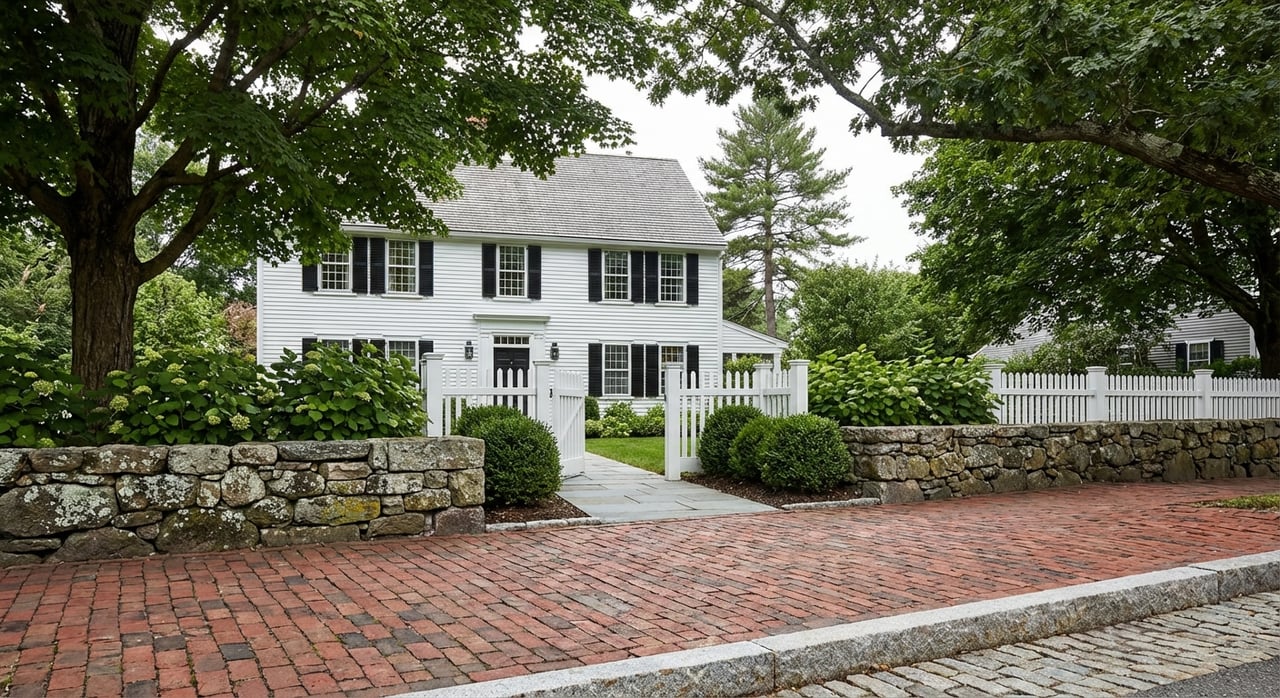
New construction typically commands a premium for modern layouts, code‑level energy performance, and reduced near‑term maintenance. That said, resale value in Wellesley is often driven by lot size, street position, and neighborhood context more than finishes alone. Some buyers prefer established architectural character and mature landscaping, which can favor a well‑executed renovation on a great lot.
Energy performance is a meaningful edge for new builds. Homes designed to meet Stretch or Specialized energy codes and verified through HERS and blower‑door testing generally use less energy and can reduce operating costs. Weigh those savings against any premium in the purchase price. (Energy code details)
For pricing context and comps, always look at recent neighborhood‑level sales. Wellesley’s median price trends high, so evaluate any new build against similar properties by lot band and micro‑location, such as Wellesley Hills, Wellesley Farms, or near Wellesley Square. (Local market snapshot)
Buyer checklist for Wellesley new builds
Use this list to keep your process on track:
- Zoning and lot: Confirm the area‑regulation district and minimum lot size band. Review setbacks, coverage limits, and any Large House Review or tree‑protection triggers. (Zoning Bylaw)
- Builder package: Request the draft purchase contract, deposit schedule, standard finishes, upgrade allowances, warranty samples, and a draw schedule if you are supplying construction financing. Verify required MA contract terms. (Contract requirements)
- Inspections: Plan independent milestone inspections at pre‑foundation/site, pre‑drywall, mechanical commissioning, energy testing, and final walkthrough. Confirm HERS rater involvement and testing timing if applicable. (Energy code guidance)
- Financing: Engage a lender experienced with construction‑to‑perm or two‑close structures. Clarify draws, inspections, contingency reserves, and how overruns and extensions are handled. (Lender program summary)
- Site and conservation: Check for wetlands or buffer zones and whether a Notice of Intent and Order of Conditions are required. For tear‑downs, confirm if demolition review might apply. (Wetlands overview | Demolition Review)
- Final approvals: Verify Certificate of Occupancy, utility hookups, and recording of any special permits or variances before closing. For subdivisions, ask about any remaining infrastructure obligations. (Building Department)
How a local advisor helps
A strong local advocate can keep your build on schedule and on budget. You benefit from guidance on neighborhood fit, early reads on zoning and permitting paths, and informed finish selections that protect resale. You also gain help aligning lender, builder, and inspection timelines so you are ready for each draw, test, and walkthrough.
If you are exploring a spec, semi‑custom, or custom opportunity in Wellesley, connect early for neighborhood insight, pricing context, and buyer representation tailored to design‑forward homes. Reach out to Molly Campbell Palmer to discuss next steps.
FAQs
How long does it take to build a new single‑family home in Wellesley?
- Recent national data shows around 10 months from permit to completion on average, with New England and custom builds often running 12 months or more; add time for local reviews. (Build time data | Wellesley permits)
How do Wellesley lot size rules affect my home’s design?
- Minimum lot areas from 10,000 to 40,000 square feet, plus setbacks and coverage caps, shape your buildable envelope, garage placement, and yard design; Large House Review may also apply. (Zoning Bylaw)
Do I need energy testing like a HERS rating for new construction in Wellesley?
- Many projects must follow Stretch or Specialized energy code paths that require HERS, blower‑door, and duct leakage testing, along with documentation and system selections that meet code. (Energy code summary)
What is Wellesley’s demolition delay and how can it impact a teardown?
- If a structure is found historically significant, the Demolition Review bylaw can impose review and up to a 12‑month delay, which affects acquisition timing and carrying costs. (Demolition Review)
What financing options exist for building a home in Wellesley?
- Most buyers choose either a two‑close construction loan followed by a permanent mortgage or a single‑close construction‑to‑permanent loan; ask about draws, inspections, and rate protection. (Lender guidance)
What should I expect from a builder’s warranty on a new home?
- Many builders offer a 1‑year workmanship, 2‑year systems, and 10‑year structural warranty; confirm coverage, claims process, and transferability before closing. (Warranty overview)