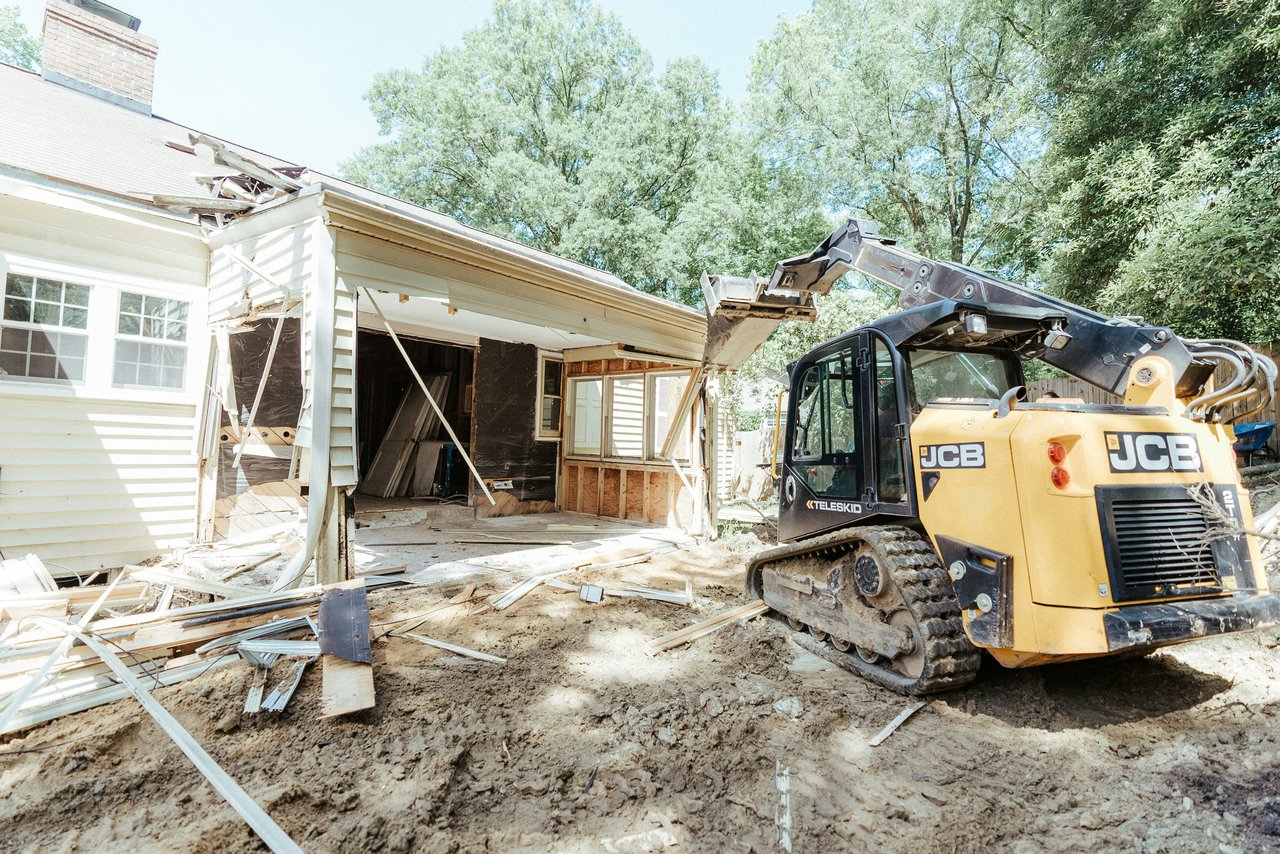
Homeowners in Wellesley and throughout the MetroWest real estate market invest heavily in thoughtful renovations—new kitchens, finished basements, expanded living spaces, updated baths, and outdoor enhancements. But one detail can turn a smooth sale into a stressful, costly process: work completed without the proper permits. Unpermitted or open-permit work is one of the most common issues that disrupts real estate transactions, impacts appraisals, complicates financing, and triggers last-minute renegotiations. Understanding how permits work in Massachusetts, how municipalities enforce them, and how buyers evaluate them is essential if you’re planning to sell your home.
What Counts as Unpermitted Work?
Under 780 CMR, the Massachusetts State Building Code, most renovation, construction, and mechanical projects require a building, plumbing, gas, electrical, or mechanical permit. This includes structural changes, additions, finishing basements, relocating plumbing or electrical, updating HVAC, major window and door changes, constructing decks, and many full-scale remodels. In Wellesley, these permits are issued and managed through the Wellesley Building Department located at 888 Worcester Street, Suite 160, Wellesley, MA 02482. Many homeowners don’t realize that Wellesley—and many nearby municipalities—allow you to look up historical permits, open permits, and inspection status online. This is one of the simplest ways to identify potential issues before listing your home.
Why Unpermitted Work Jeopardizes a Sale
Lender Requirements
Most mortgage lenders will not finance a home with known unpermitted work. If the lender cannot verify that renovations comply with building code and passed inspection, the loan may be denied, delayed, or conditioned upon corrective work. This alone can cause a buyer to walk away.
Appraisal Concerns
Appraisers often cannot include unpermitted or non-code-compliant space in the home’s official square footage or valuation. A beautifully finished basement or addition that isn’t permitted may be valued as if it doesn’t exist.
Buyer Hesitation
Buyers today are cautious and well-informed. They review property records, consult real estate attorneys, research local building requirements, and evaluate risk carefully. Unpermitted work raises immediate concerns about safety, quality, insurance coverage, and future resale value.
Municipal Enforcement
If the town discovers unpermitted work during the sales process or through buyer due diligence, you may be required to bring the work up to current code, reopen walls, or remove non-compliant structures entirely.
Purchase & Sale Agreement Complications
Many Massachusetts Purchase & Sale Agreements include representations that all work was done with proper permits and that no open permits or building code violations exist. If unpermitted work is identified, the P&S may require special language, remediation, or legal review. For all contract matters, always consult a real estate attorney to understand your obligations and protect your interests.
Open Permits: The Silent Deal Killers
Even if you originally pulled a permit, failing to schedule the final inspection leaves the permit “open.” Open permits appear in municipal records, and buyers, lenders, inspectors, and attorneys review these files as part of standard due diligence. Before listing your home, confirm that all past permits show as closed, finaled, and fully inspected.
How to Check Your Permit Status in Wellesley
Wellesley provides online access to building permit history, making it easy to review past work. You can verify:
• issued permits
• open permits
• final inspection status
• historical renovations
• building department notes
If anything is unclear, the Building Department can assist with retrieving records or guiding next steps. Addressing issues before going on the market allows you to retain control of the narrative and your negotiating power.
How Unpermitted Work Impacts Negotiations
During the contingent period—when buyers complete inspections, appraisal review, legal consultation, and permit research—unpermitted work often becomes a focal point. Buyers may request price adjustments, closing credits, repair obligations, retroactive permits, or extended timelines. In a market as competitive as Wellesley, Needham, Weston, Dover, and Newton, the properties that sell for top dollar are the ones that are fully documented, compliant, and easy for lenders and attorneys to approve.
Why Sellers Should Address Permit Issues Before Listing
Resolving permit issues early streamlines your sale, increases marketability, and builds buyer confidence. Homes with complete documentation tend to appraise higher, attract more serious buyers, and move through underwriting faster. As buyers compare properties across multiple listing services, consult real estate attorneys, rely on tax and valuation tools, and follow listings on platforms like Zillow, Redfin, and Sotheby’s International Realty, they quickly recognize when a home is well prepared—and when it’s not. Taking care of permits in advance protects your pricing power and helps ensure a smooth, predictable closing.
How to Resolve Unpermitted Work
• Consult a licensed contractor or qualified professional to determine what is required to meet current building code.
• Consult a Massachusetts real estate attorney to understand how the issue interacts with disclosure, P&S language, and legal obligations.
• Apply for a retroactive permit if the town allows it; this may require opening walls or updating the work.
• Close out any open permits by scheduling final inspections.
• Document everything—buyers appreciate transparency, and strong documentation improves their confidence in the property.
Considering Selling in the Next 6–18 Months?
A pre-sale permit review is one of the most valuable steps you can take before listing. Even a brief real estate consultation can help you identify red flags, understand how buyers will evaluate your property, and ensure that your home meets the expectations of this sophisticated, data-driven market.
If you’re unsure whether past work was properly permitted—or if you’d like help reviewing your building file—I’m here as a resource.
Molly Campbell Palmer
Gibson Sotheby’s International Realty
[email protected]
508-269-0002