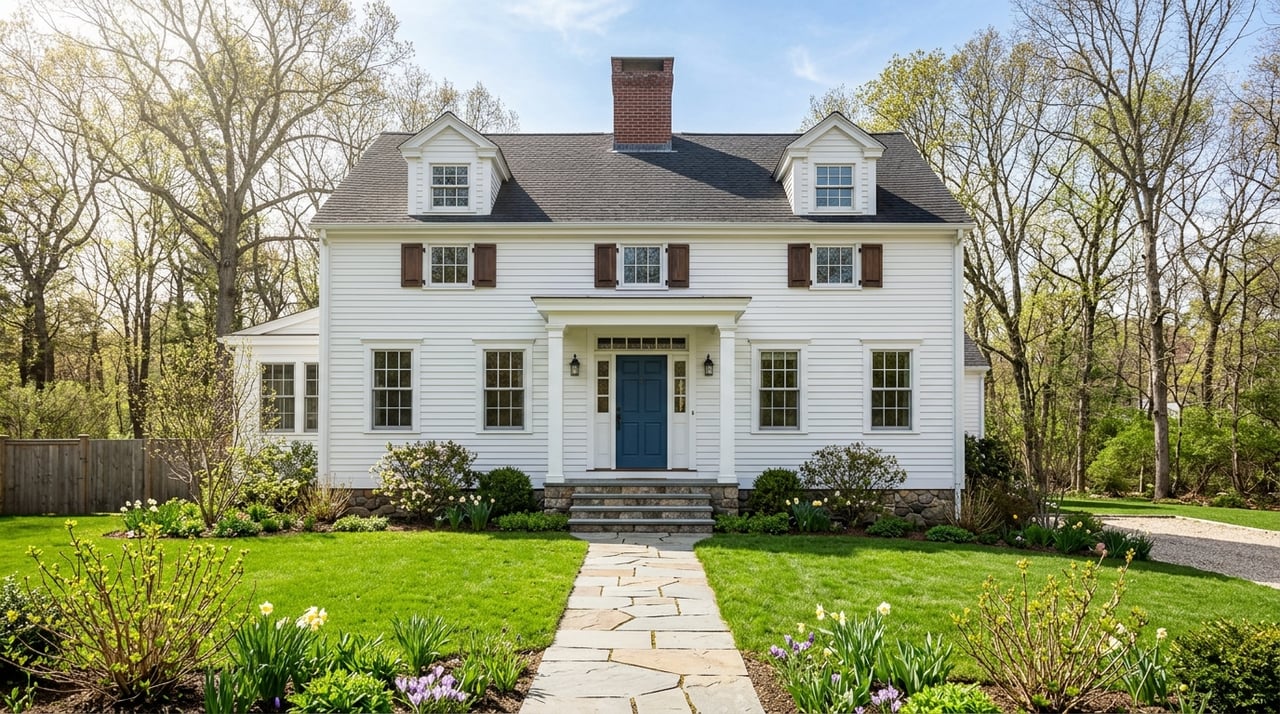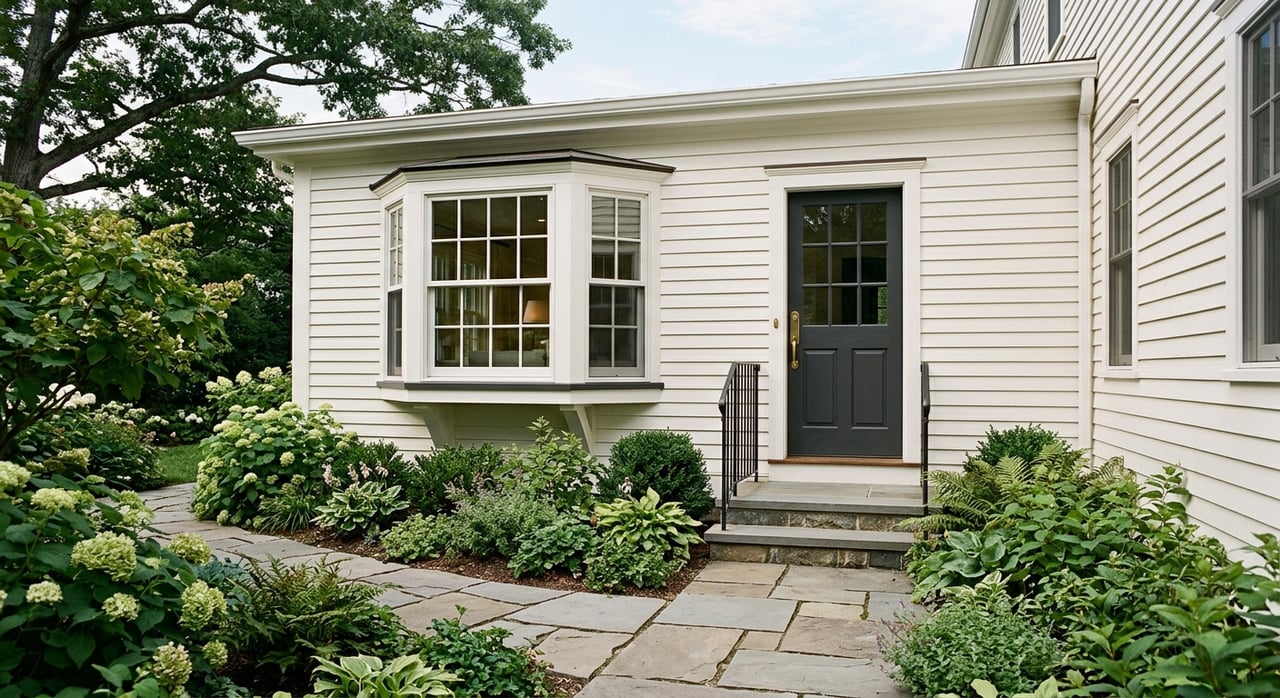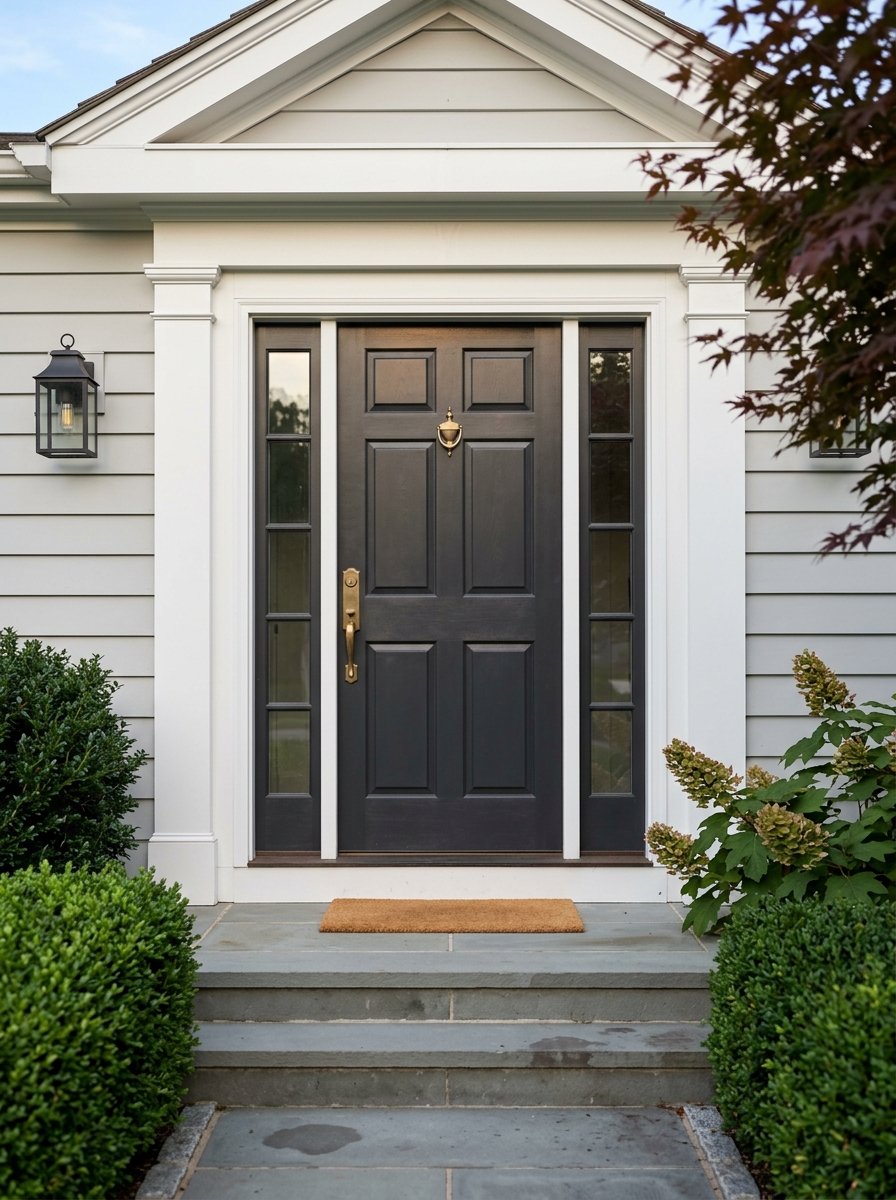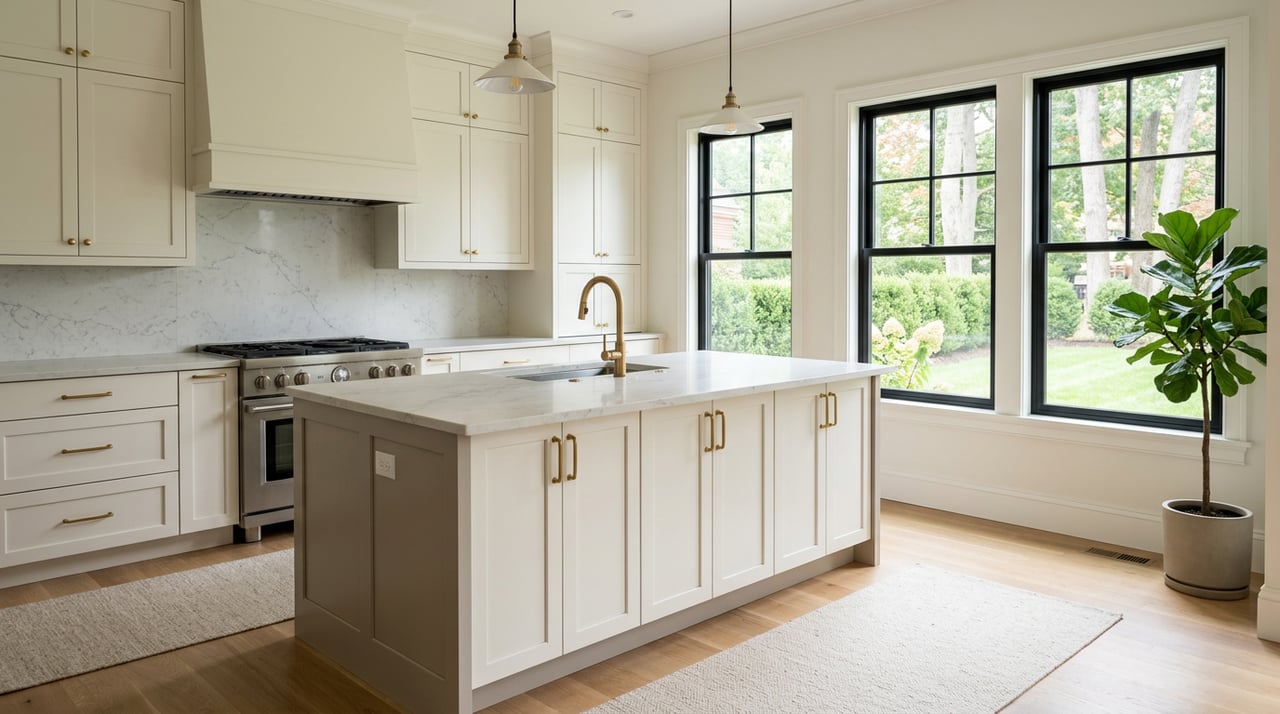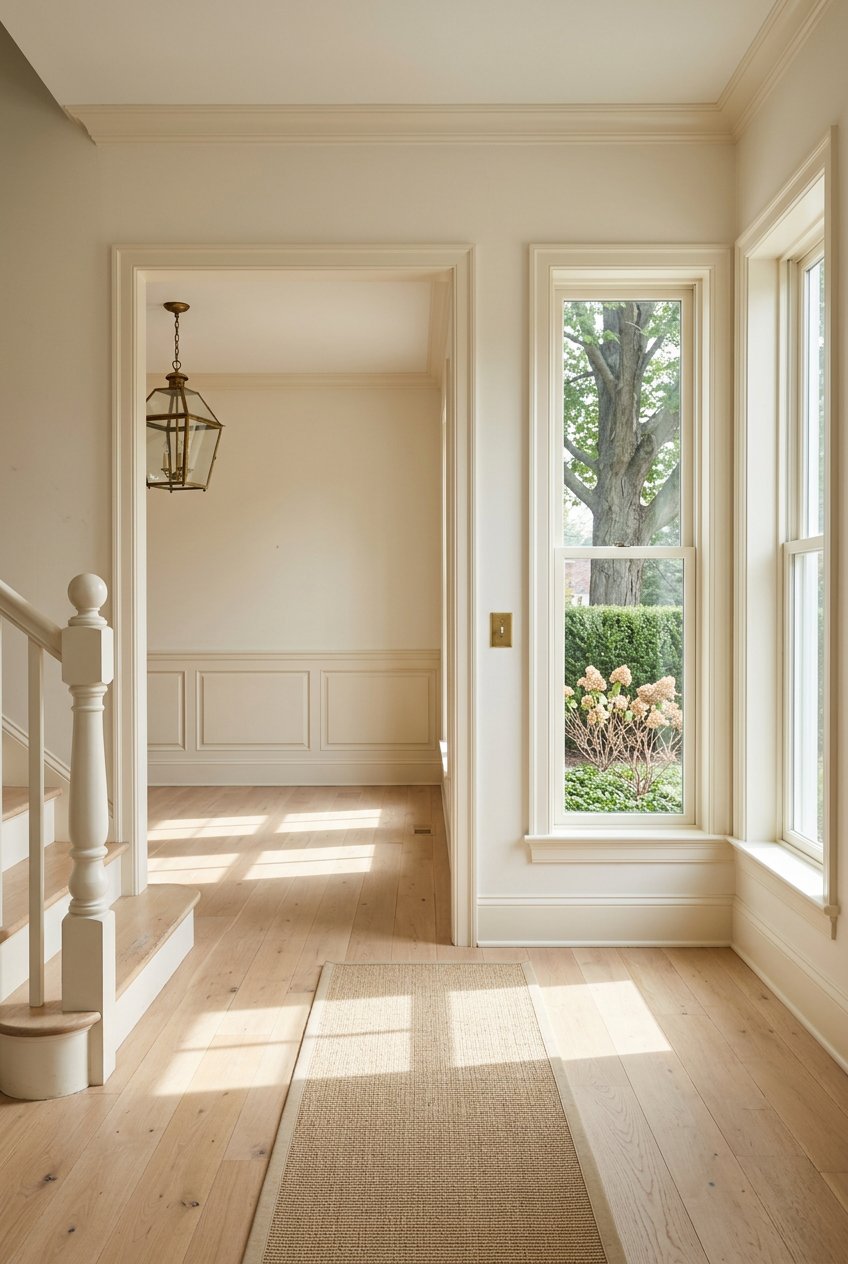
Eyeing a classic Wellesley house with great bones but dated finishes? You are not alone. Many of the town’s most loved homes were built decades ago, which makes renovation both exciting and complex. In this guide, you will learn how to size up renovation potential fast, what local rules can change your scope and timeline, and which early checks protect your budget before you bid. Let’s dive in.
Start with zoning and size limits
Before you imagine moving walls or adding a wing, confirm what the town will allow on the lot. Wellesley’s zoning bylaw sets the rules for use, setbacks, height, and special overlay districts. You can review the current bylaw and maps on the Town’s Zoning Bylaws page for district specifics and overlays like Flood Plain or Watershed Protection. Review the Zoning Bylaws and overlays.
A key Wellesley process for larger projects is Large House Review. It uses a calculation called TLAG, or Total Living Area plus Garage, to decide when a design review is required. The Planning Board publishes the exact TLAG thresholds by lot size and explains when a 10 percent TLAG increase also triggers review. Check the Planning Board’s LHR Rules and TLAG thresholds.
If you are considering an addition or second story, ask the listing agent for a recent TLAG affidavit or measured plans. If your concept pushes TLAG over the district limit, you should budget for the LHR timeline and submittals. The Town outlines the steps from application to Planning Board approval. See how Large House Review works and typical timing.
Confirm historic and demolition rules
Parts of Wellesley fall within local Historic Districts. Exterior changes in those districts require a certificate of appropriateness from the Historic District Commission before the Building Department can issue a permit. Separately, the town’s Demolition Review Bylaw can place a delay on tearing down certain older buildings while alternatives are explored. Ask whether the property is in a Historic District and whether a Demolition Review eligibility notice exists. Read the Historic District and Demolition Review guidance.
If your plan includes replacing windows, reworking the facade, or a full teardown, early confirmation of these requirements helps you set the right schedule and expectations.
Map wetlands, floodplain, and protected trees
Water and trees shape what you can do on a Wellesley lot. If the property is near a stream, pond, or mapped wetland, your project may fall within buffer zones that require permits and site-specific resource delineation. Talk with the Wetlands Administrator early if you see water features or marshy areas nearby. Review Wetlands Protection Committee requirements.
Tree protection rules can also add conditions and costs. Projects that meet certain size thresholds must submit a Tree Protection and Mitigation Plan prepared by a certified arborist. Removing protected trees typically requires mitigation through replanting or a payment to the tree bank. This can influence driveway changes, additions, and excavation plans. See Wellesley’s Tree Protection and Preservation bylaw.
Finally, check for Flood Plain or Watershed overlays under zoning. In mapped areas, you may face special foundation, elevation, and drainage requirements that affect basements and mechanical placement. Confirm overlays in the Zoning Bylaws.
Sewer, site conditions, and curb cuts
Bathroom additions and finished basements often hinge on sewer access. Wellesley’s Engineering Division maintains sewer maps that show street laterals and connections. Confirm whether the house is on municipal sewer or if a connection is available at the street. If a connection or upgrade is needed, that can shift costs and timelines. Check Town Plans and sewer records.
If you plan to widen a driveway or add a new curb cut, the Department of Public Works issues separate street occupancy and curb permits. Factor that permit path into your schedule as you refine site plans.
Code triggers and permit timing
Massachusetts enforces the State Building Code, 780 CMR. The current 10th edition, based on the 2021 international codes, affects mechanical, electrical, structural, and energy requirements in practical ways. If you move structural walls, change egress, add stories, or significantly alter systems, plan for code-level upgrades and inspections. Review the 10th edition of 780 CMR.
On timing, minor interior work can move quickly once plans are ready and contractors are engaged. For projects that trigger Large House Review, the town notes a typical 3 to 4 month sequence from submission to a building permit, not including design time or any wetlands or historic review. See the LHR process and expectations.
ADU potential in Wellesley
Accessory Dwelling Units have become a smart way to add flexible space. Wellesley allows ADUs within one-unit dwellings and, in some cases, within detached accessory structures, subject to clear size and operational limits. The ADU must be subordinate in appearance and within size caps, and there are recording and certification requirements that continue after construction. If you are counting on rental or multigenerational use, confirm compliance details before you close. Read Section 513 on Accessory Dwelling Units.
Walk-the-house red flags to check fast
Wellesley’s housing stock includes many prewar Colonials and midcentury homes. That character is part of the appeal, but it also raises specific due diligence items:
- Foundations and drainage. Look for cracks, uneven floors, signs of past waterproofing, and exterior grades that slope toward the house. Structural reinforcement, new footings, and perimeter drains can be large line items.
- Electrical and plumbing. Older panels, cloth wiring, or cast-iron drains often need replacement for safety and insurance. Plan for capacity upgrades if you are adding a second story or heavy kitchen loads.
- Lead paint or asbestos. Homes built before 1978 may contain lead-based paint, and older insulation or floor tiles can include asbestos. Renovations that disturb these materials have special rules and require licensed contractors. Review the state’s Health at Home guidance.
- Trees and grading. Mature roots, steep slopes, and stormwater flow paths may require arborist oversight and engineered drainage under the town’s tree and stormwater expectations. See Tree Protection and Preservation details.
If you are serious about the house, plan targeted inspections with a structural engineer, electrician, and plumber during your contingency period.
Interior rework vs. additions
Not all improvements need to touch the envelope. Interior updates that keep plumbing in place and do not alter bearing walls can be the most efficient path to value. Opening floor plates, adding a second story, or building a sizable rear addition usually requires engineered plans and may push TLAG into Large House Review. Early concept sketches with your architect and a quick TLAG check help you avoid surprises. Refer to TLAG thresholds and affidavit procedures.
Resale strategy and right-sizing scope
In a premium market like Wellesley, well-executed cosmetic updates and systems upgrades often translate to faster sales and stronger offers. Modest kitchen refreshes, updated baths, lighting, and hardwood refinishing tend to be reliable improvements. Large, luxury-scale additions can be wonderful to live in, but they recover a smaller share of cost on resale. Your best guide is the immediate neighborhood. Compare proposed finished square footage and finish quality to nearby comps so you do not overbuild for the block. A skilled local agent and contractor can help you align scope with likely resale value.
Your pre-offer due diligence checklist
Use this quick, researchable checklist to vet renovation potential before you bid.
On your first showing
- Scan the roof, gutters, and grading; look for basement moisture, cracks, or a sump pump.
- Open the electrical panel; note amperage and signs of older wiring.
- Check the age and layout of baths and kitchens to see how far plumbing needs to move.
- Note mature or street trees that could trigger protection or mitigation.
Research before an offer
- Request the TLAG calculation or an existing TLAG affidavit, plus any prior LHR decisions and permit history. Use the Planning Board’s LHR resources.
- Confirm whether the parcel is within a Historic District or subject to Demolition Review. Review historic and demolition rules.
- Check for wetlands buffers, flood or watershed overlays, and any conservation restrictions. Start with the Zoning Bylaws and Wetlands Committee and Wetlands Protection Committee.
- Verify sewer connection status or availability at the street. Consult Town Plans and records.
If you are under contract
- Order a general home inspection plus targeted reviews: structural engineer for additions or wall removals, licensed electrician and plumber for capacity and safety, and a lead risk assessment for pre-1978 homes. Review state guidance on home health risks.
- Book a pre-application chat with the Building and Planning staff if your concept changes the envelope or may trigger TLAG. See the town’s LHR process overview.
Professionals to budget for early
- Architect or designer for measured drawings and permit sets
- Structural engineer for load paths and foundation capacity
- Home inspector, licensed electrician, licensed plumber
- Certified arborist if protected trees are present
- Wetland scientist if near mapped resources
- General contractor with strong Wellesley experience and code fluency. Reference 780 CMR for scope triggers.
Timelines to expect
- Interior updates with limited structural work can move from permit to start within weeks once drawings and crews are ready.
- Larger projects that require Large House Review often run 3 to 4 months from LHR submission to building permit, plus design time and any wetlands or historic review. Plan using the LHR timeline guidance.
Quick case studies
1920s Colonial near Wellesley Square
Goal: open kitchen and convert attic to a suite. Likely path: interior structural checks, electrical and plumbing upgrades, building permits for kitchen and bath. LHR is unlikely unless the total TLAG crosses the district threshold. Lead-safe practices apply if paint is disturbed. Confirm TLAG triggers in the LHR rules.
1950s ranch on a 15,000 square foot lot
Goal: add a second story. Likely path: structural engineering for loads and footings, TLAG calculation, and probable Large House Review if final TLAG exceeds the 4,300 threshold for many 15,000 square foot lots. Allow for Planning, Design Review, and potential tree mitigation steps. Use the Planning Board’s LHR materials.
Pre-1949 cottage near mapped wetlands
Goal: replace failing systems and expand. Likely path: Demolition Review eligibility check, Wetlands Protection Committee permitting for exterior changes, and a schedule that accounts for any demolition delay and resource area approvals. Start with wetlands rules and historic guidance and Demolition Review info.
Carriage house ADU concept
Goal: create a compliant in-law or rental unit. Likely path: confirm ADU size and appearance rules, recordation and annual certification requirements, and incorporate ADU into the building permit. Read Section 513 for ADU specifics.
Bringing it all together
When you know the local rules, renovation in Wellesley becomes far more predictable. Start with zoning and TLAG, layer in historic and environmental checks, verify sewer and site logistics, and plan for code-driven scope. Then right-size your wish list to the neighborhood so your investment pays you back when you sell.
If you would like a second set of eyes on a property or help scoping a pre-offer plan, reach out to Molly Campbell Palmer for neighborhood-smart, design-led guidance.
FAQs
What is TLAG in Wellesley’s Large House Review?
- TLAG stands for Total Living Area plus Garage, and if your project pushes TLAG over district thresholds or increases TLAG by 10 percent above the threshold, it can trigger Large House Review; see the Planning Board’s rules for exact limits and affidavit steps.
How long does Large House Review take in Wellesley?
- The Town indicates a typical 3 to 4 month sequence from LHR submission to building permit, not including design time or any wetlands or historic approvals.
Do Wellesley’s ADU rules allow a rental in an in-law suite?
- Yes, ADUs are allowed within size and appearance limits and require recording and annual certification; review Section 513 for specific operational rules before assuming rental income.
How do wetlands and flood overlays affect an addition in Wellesley?
- Work within wetlands buffers or flood and watershed overlays may require special permits, drainage designs, or foundation and elevation changes that can limit additions or basement use.
Which inspections should you order for an older Wellesley home you plan to renovate?
- In addition to a general inspection, plan for a structural engineer, licensed electrician and plumber, and a lead risk assessment for pre-1978 homes, plus arborist or wetland scientist input if site conditions warrant.
How do tree protection rules impact renovation budgets in Wellesley?
- If your project meets size thresholds and protected trees are removed, you will need an arborist-stamped plan and mitigation through replanting or a tree bank payment, which adds cost and conditions to permits.