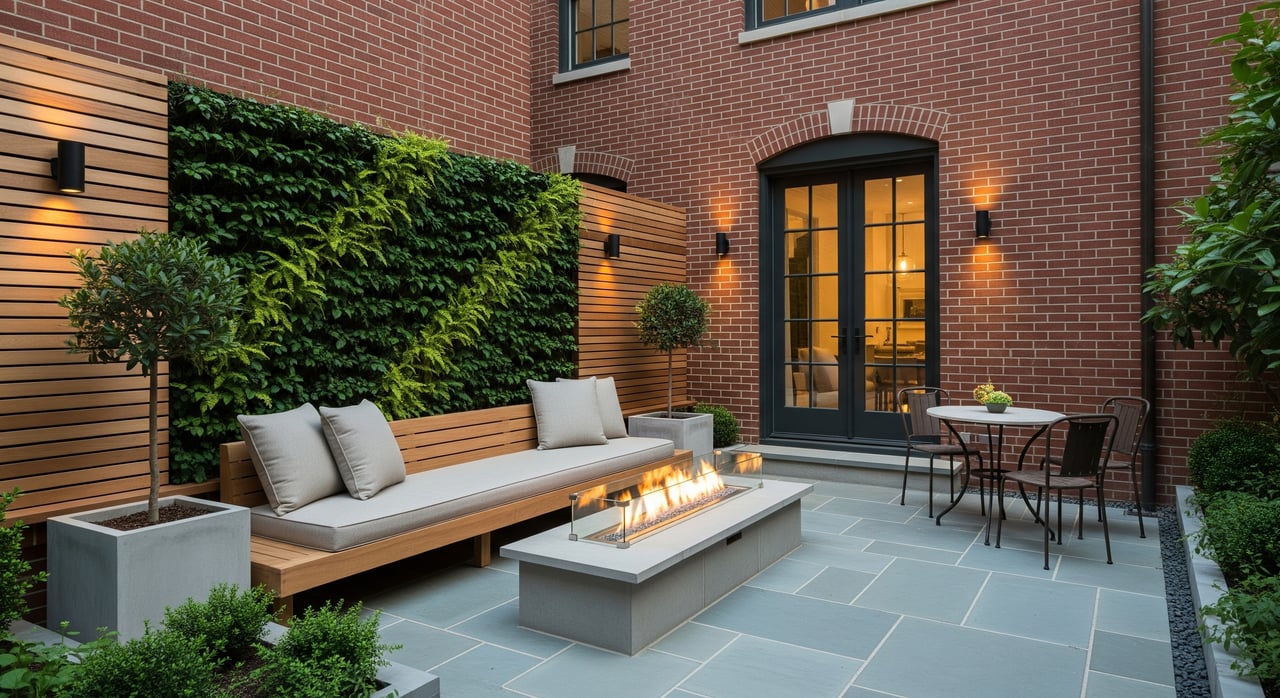
A small Brookline yard can feel like a constraint, but it is also a chance to design something memorable. If you are prepping a North Brookline home for market, your outdoor space can be the place where buyers pause, relax, and imagine living there. With a clear plan for privacy, lighting, and planting, you can transform even a narrow rear yard into layered outdoor rooms that photograph beautifully and show well. This guide walks you through what to check, what to build, and how to stage so your compact lot lives large. Let’s dive in.
Start with local rules and site realities
Before you pick materials or furniture, confirm what is allowed on your parcel. Regulations affect decks, pergolas, hardscape, and utilities.
- Check zoning, setbacks, lot coverage, and accessory structure rules with the Brookline Planning and Building divisions.
- If your property sits in a Local Historic District, exterior changes visible from public ways may require review by the Preservation Commission, which you can access through Town of Brookline resources.
- Review drainage and impervious surface limits. For stormwater guidance and best practices, start with the MassDEP overview.
- Expect permits for new decks, structural pergolas, electrical work, gas lines for outdoor kitchens or fire features, and some retaining walls.
- Note the site constraints common in North Brookline: mature street trees that change light and shade, narrow side yards, and existing utilities that limit where you can build.
A quick zoning and permitting check early in the process keeps your timeline smooth and avoids rework later.
Design small spaces as outdoor rooms
A compact lot becomes more usable when you break it into purposeful zones instead of one big patio. Treat each zone like a room with a clear function and a defined edge.
Plan the layout
- Define rooms with a change in level, built seating, planters, or overhead structure instead of solid walls.
- Align sightlines from the kitchen door or main living area to a focal point. A sculptural tree, water bowl, or slim fireplace at the far end creates perceived depth.
- Keep circulation simple. Aim for a clear 3 to 4 foot path and place furniture so doors swing freely.
- Choose pieces that fit narrow dimensions. Bistro sets, slender benches, and rectangular tables aligned with the long axis make space feel bigger.
- Use multifunction elements. A bench with hidden storage, a planter that doubles as a seat edge, and foldaway tables reduce clutter.
Right-size the furniture
Scale matters on tight parcels. Measure your main patio zone and sketch furniture footprints before you buy. Look for low-profile lounge chairs, a narrow dining table, and two to four flexible stools that tuck under a bench. This keeps the room adaptable for daily use and entertaining.
Smart surfaces for compact yards
Hardscape choices influence how large a space feels and how it drains during a storm.
- Limit the palette to two or three materials so the yard reads as one calm space.
- Use narrow-format pavers or long runs of bluestone to visually elongate the yard.
- Choose permeable pavers or compacted gravel in secondary areas to reduce runoff. This often pairs well with planting beds and keeps you closer to local impervious limits.
- Lay composite deck boards or painted wood in the same direction as interior floors to extend the eye from inside to out.
- Use a single material change or a shallow step to signal a new “room,” avoiding lots of small transitions that fragment the look.
For climate and plant hardiness planning, confirm your zone with the USDA Plant Hardiness Zone Map.
Privacy, planting, and microclimate made simple
On small lots, green structure is your best tool for privacy and ambiance. Choose species that stay slim, look good year-round, and tolerate urban conditions.
Build elegant privacy
- Columnar evergreens: Arborvitae and yew are common for narrow screens. Plan for mature width and height.
- Pleached trees: Trained canopies form a thin vertical layer above head height, creating privacy while preserving root space.
- Trellises with vines: A slim trellis with trained vines or espaliers creates a living wall without a thick hedge.
- Contained bamboo: Use clumping bamboo in large containers for fast vertical screening. Avoid running types in the ground.
- Operable panels: Slatted wood or metal screens, and retractable fabric panels, let you dial in privacy without blocking light.
Choose a resilient plant palette
Brookline sits near USDA Zones 6b to 7a. Pick plants rated for local winters and urban soils.
- Small trees and shrubs: Serviceberry, dogwood, and select Stewartia offer four-season interest.
- Evergreens for structure: Arborvitae, yew, and holly provide winter presence and year-round screening.
- Perennials and groundcovers: Echinacea, Monarda, asters, Carex, and Heuchera bring texture and pollinator value.
For practical horticulture guidance, explore UMass Extension resources. For native selections and inspiration, the Native Plant Trust is a helpful regional reference.
Work with light and soil
- Test sun and shade at morning, midday, and evening. Rear yards often have dappled or partial shade from neighboring buildings and street trees.
- Use shade-tolerant picks for darker corners. Ferns, hosta, Heuchera, and some hydrangea varieties can thrive with less direct sun.
- Improve soil. Many small lots have compacted soil. Plan to import or amend topsoil in beds, and consider raised planters where roots are constrained.
- Add drip irrigation or soaker hoses for containers and beds to reduce water use and keep plants healthy.
Lighting that flatters and photographs
Good lighting makes a small space look warm, safe, and magazine-ready. A layered plan is best.
- Ambient: Wall sconces or overhead lighting on a pergola wash the space with soft light.
- Task: Direct light where you need it for steps, grilling, or dining.
- Accent: Uplight a specimen plant or downlight from a tree to mimic moonlight.
Use low-voltage LEDs at a warm color temperature between 2700K and 3000K for inviting tones in photos. Choose shielded, dark-sky friendly fixtures to control glare and reduce spill, following guidance from the International Dark-Sky Association. For quick but effective staging, add string lights across a small courtyard, a few battery lanterns, or solar path lights. Smart controls and timers help you set scenes for showings and evening photography.
Stage for listing photos and showings
Presentation sells the vibe. Small outdoor rooms photograph best when they feel calm, functional, and connected to the interior.
- Time your photos at golden or blue hour for warm texture and depth.
- Show the flow. Photograph from the threshold to illustrate how the outdoor room extends the living area.
Styling tips that work
- Declutter. Store tools and hoses, clean surfaces, and remove extras.
- Repeat color and texture. Two matching planters, one accent color in cushions, and a simple outdoor rug can anchor the scene.
- Set the table or add a folded throw to give buyers a sense of scale and use.
- Capture an evening shot with layered lighting to show ambiance.
If you want general design principles for small urban yards, the American Society of Landscape Architects offers useful guidance. For buyer preferences and lifestyle features, you can explore research from the National Association of Realtors.
Permits, accessibility, and safety
A quick safety and permitting review protects your investment and your timeline.
- Electrical: Permanent outdoor lighting, outlets, and any new exterior circuits typically require a licensed electrician and permits. Temporary battery or solar fixtures can stage the space without permits.
- Fire features: Gas lines, built-in fireplaces, and some fire pits often need permits and clearance from structures and plantings.
- Structures: Decks, pergolas with footings, and retaining walls over certain heights usually require building permits.
- Historic review: Screens, fences, or pergolas visible from public ways may need design review. Start with the Town of Brookline’s preservation resources.
For stormwater strategy and local code alignment, factor in guidance from MassDEP early in design.
Budget and smart phasing
A phased plan lets you move fast for market while building toward long-term value.
- Design and consultation: Consider a landscape designer or architect for space planning.
- Permitting and inspections: Budget time and fees for reviews and required permits.
- Hardscape and structures: Paving, steps, benches, pergola, or louvered roof.
- Lighting and controls: Low-voltage fixtures, wiring, timers, and smart scenes.
- Planting and soil: Bed preparation, plant material, planters, and mulch.
- Irrigation and drainage: Drip lines, dry wells, or permeable surfaces as needed.
- Labor and seasonal refresh: Cleanup and maintenance to keep photos fresh.
Quick win sequence for sellers
- Phase 1: Cosmetic upgrades. Power-wash, stain or repaint fences, add two matching planters, layer in warm string lights or lanterns, and refresh cushions.
- Phase 2: Minor hardscape and planting. Add a small paver patio, raised planters, and a slim trellis with a fast-growing vine to boost privacy.
- Phase 3: Structural upgrades. Build a compact pergola or integrated bench planters, and complete a professional lighting plan with timers.
Quick checklists
Pre-project checklist
- Verify zoning, setbacks, and lot coverage with the Brookline Planning and Building divisions.
- Confirm if the home is in a Local Historic District that requires design review.
- Call 811 to locate utilities before digging.
- Map sun and shade at morning, midday, and evening to guide plant selection and seating.
Staging upgrades that photograph well
- Power-wash and clean all hardscape.
- Repaint or stain a weathered fence.
- Place two large, matching containers at the main outdoor room entry.
- Add layered lighting with warm string lights and a few accent fixtures.
- Install a temporary trellis with a container-grown vine for quick privacy.
- Refresh cushions in a neutral palette with one consistent accent color.
Value-forward upgrades
- Built bench with integrated planters to maximize seating in a narrow yard.
- Compact pergola or louvered roof to define a room and carry lighting.
- Permeable paver patio with raised beds for drainage and planting balance.
- Professional lighting plan with scenes for showings and photography.
A small Brookline yard can be both practical and beautiful. If you shape it as a series of inviting rooms, scale the furniture, keep surfaces calm, and layer in privacy and light, you will create a space that feels larger than its footprint and photographs like a feature spread.
Ready to create magazine-worthy outdoor moments and position your Brookline home for top market appeal? Get your instant home valuation with Unknown Company, then let’s talk about design-forward staging and timing.
FAQs
What outdoor upgrades add the most value on a small Brookline lot?
- Focus on a clean, permeable patio, a compact pergola or trellis for definition, layered warm lighting, and evergreen structure for year-round appeal.
How do I choose plants that survive Brookline winters?
- Select species rated for USDA Zones 6b to 7a using the USDA Plant Hardiness Zone Map and favor urban-tolerant, narrow-form choices.
Do I need permits for a small pergola or new lighting?
- Many pergolas with footings, new exterior circuits, and gas lines require permits; verify with the Brookline Planning and Building divisions before starting.
How can I add privacy without losing light in a narrow yard?
- Use slim screens like pleached trees, trellised vines, or slatted panels with operable shades so you can adjust privacy while maintaining daylight.
What lighting color temperature looks best in photos and at showings?
- Warm LEDs around 2700K to 3000K feel inviting and photograph well; follow glare-control guidance from the International Dark-Sky Association.