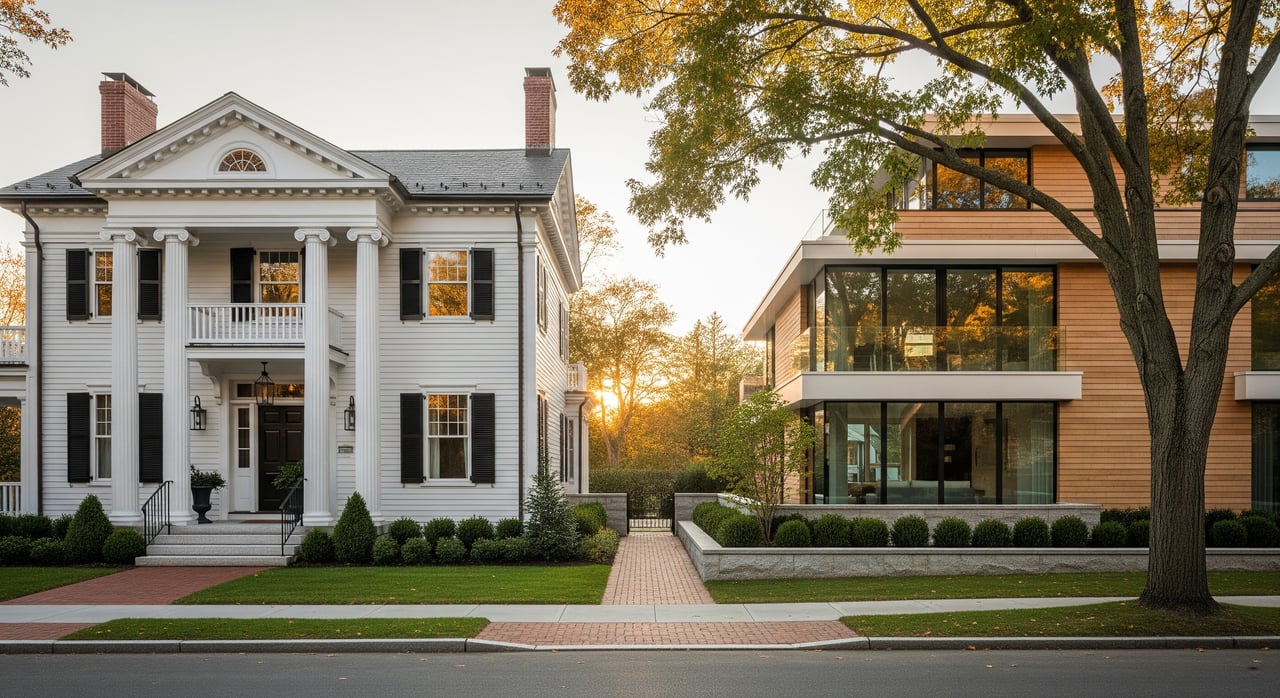
Is your next Wellesley home a crisp new build or a storied classic with original character? It’s a big choice, especially in established village neighborhoods where lot patterns, design fit, and approvals all matter. You want beauty, function, and a smart long-term investment. This guide walks you through the key differences, so you can choose with confidence. Let’s dive in.
How Wellesley rules shape your choice
Wellesley’s mature housing stock and active town boards influence what you can build, change, or preserve. Before you fall in love with a plan, get familiar with local permitting, historic review, and energy requirements.
Permitting basics
Major exterior work, additions, and new construction are reviewed by Town boards for zoning, site plan, and building compliance. Start your planning with the Town of Wellesley’s official resources to understand zoning, setbacks, and lot coverage. Timelines vary by scope, so build in time for reviews and potential revisions.
Historic review and demolition
Some homes or areas are subject to historic oversight. The Wellesley Historic Commission offers guidance on preservation and alterations. Many Massachusetts communities use demolition-delay or preservation review processes, which can affect the feasibility and timing of tear-downs. For state context on how these bylaws typically work, see the Massachusetts Historical Commission.
Energy code and incentives
State energy policy and codes shape your baseline performance targets. Check current code adoption and stretch code information through the Massachusetts Department of Energy Resources. Whether you buy new or retrofit a historic home, programs like Mass Save can help with assessments and rebates for insulation, heat pumps, and other upgrades.
Lot patterns and neighborhood fit
Wellesley includes distinct village micro-markets such as Wellesley Square, Wellesley Hills, Wellesley Farms, and Lower Falls. Older neighborhoods near the centers often have compact lots and early-20th-century homes. Some outlying sections feature larger parcels and more estate-scale properties.
New construction usually follows one of three paths:
- Executive new build on a large existing lot.
- Tear-down and replacement on the same lot footprint.
- Subdivision or reconfiguration where zoning allows, which is less common.
In established areas, a new home may not mean a noticeably larger yard. Confirm setbacks, lot coverage, and any tree or conservation protections early. Neighborhood fit matters for both enjoyment and resale value.
Architecture and design tradeoffs
Historic homes and new builds deliver different types of beauty and function. Understanding the tradeoffs helps you match a house to your daily life.
What historic homes offer
- Architectural character with period details like millwork, built-ins, masonry, and shingle or wood exteriors.
- Unique rooflines, varied room sequences, and mature landscaping that frame the home’s presence on the street.
- Potential constraints such as smaller closets, compartmentalized rooms, or kitchens that need rethinking to support modern flow.
What new construction delivers
- Open layouts, higher ceilings, and spaces designed for today’s routines, including en-suite bedrooms, mudrooms, and attached garages.
- Predictable functionality, accessibility options, and easier integration of smart-home and EV-ready features.
- Style depends on the architect and builder. Quality varies, so vet teams and specifications carefully.
Streetscape considerations
In Wellesley’s older blocks, a dramatically modern new build may feel out of place and can draw scrutiny. Sensitive additions or restorations tend to blend more easily. Aligning design and scale with the immediate streetscape supports neighborhood harmony and future marketability.
Energy performance and sustainability
Energy performance is one of the starkest differences between new and historic homes. It affects comfort, operating costs, and carbon impact.
New construction advantages
- Built to current codes with tighter envelopes, LED lighting, and integrated ventilation like ERV/HRV.
- Common use of cold-climate heat pumps, ducted or ductless, for efficient heating and cooling.
- Easier to plan for solar orientation, roof-mounted PV, and EV charging from day one.
Historic home upgrades
- Many older homes start with less insulation and more air leakage. Thoughtful retrofits can change that.
- Effective measures include targeted insulation, air sealing, high-efficiency heating, and smart ventilation strategies while preserving historic fabric.
- Programs such as Mass Save offer energy assessments and rebates; code and policy updates are available through the DOER.
Bottom line: new homes usually start with lower energy use. A carefully planned retrofit can narrow the gap, but it often requires more steps and careful sequencing.
Maintenance and hidden costs
All homes require care. The question is timing, predictability, and scope.
Historic home considerations
- Structure and envelope: monitor foundation movement, moisture, roofing, flashings, and gutters.
- Systems: watch for older wiring, limited electrical capacity, or plumbing nearing end of life.
- Hazardous materials: pre-1978 homes may contain lead paint; older insulation or floor finishes may include asbestos in some cases. Testing and licensed remediation matter.
- Exterior elements: original windows, wood trim, and masonry need periodic maintenance.
Due diligence often includes a comprehensive home inspection, plus specialists for chimneys, structure, and potential hazardous materials.
New construction profile
- Lower near-term maintenance because systems are new and often under warranty.
- Site responsibilities continue, including drainage, trees, and landscape care.
- Third-party quality checks, such as blower-door testing and HVAC balancing, help confirm performance.
Renovation work on historic homes can carry higher per-unit costs, especially when preserving original materials. New builds shift more cost to the upfront phase, with fewer immediate surprises after move-in.
Resale, financing, and incentives
Wellesley’s buyer pool values design, convenience, and reliable systems. Fit with the neighborhood and access to amenities are consistent drivers of demand.
Buyer pools and resale drivers
Historic homes appeal to buyers who prioritize character and established landscapes. New construction attracts buyers who want turnkey living, modern flow, and lower near-term maintenance. Across home types, proximity to public schools, commuter rail access, and village convenience often influence buyer interest. Thoughtful scale and design harmony with the street typically support resale results.
Financing paths for each route
- New construction: many buyers use short-term construction loans that convert to permanent mortgages at completion. Terms vary by lender.
- Historic home renovations: common options include FHA 203(k) and Fannie Mae HomeStyle Renovation. Each product has specific eligibility and documentation requirements.
Appraisals can be nuanced. Unique historic features may be hard to quantify without strong local comparables. For custom new builds, market support is needed to value high-end finishes.
Energy and preservation incentives
- Energy efficiency and electrification: homeowners can explore assessments and rebates through Mass Save, with additional policy context from the DOER.
- Federal incentives: credits and guidance for residential clean energy improvements are available through the IRS and the U.S. Department of Energy. Program details change, so confirm current rules before budgeting.
- Preservation: at the state level, incentives typically focus on income-producing properties. The Massachusetts Historical Commission offers guidance on preservation resources.
Energy upgrades that reduce operating costs can improve marketability. The premium realized depends on buyer awareness and comparable sales in your micro-market.
Decision checklists
Use these quick-reference lists to compare specific properties in Wellesley.
Buyer checklist: new vs historic
- Zoning and lot details: verify setbacks, coverage limits, and any tree or conservation rules.
- Neighborhood pattern: note the prevailing home style, height, and massing on the block.
- Access: distance to commuter rail and village amenities that matter to your routine.
- Systems: age and type of roof, HVAC, electrical service, and plumbing.
- Energy baseline: recent audit, insulation levels, and heat-pump potential.
- Historic status: confirm if the property sits in a local district or may trigger demolition review.
- Inspection scope and budget: line up quotes for likely items before you commit.
- Financing plan: construction loan vs renovation loan vs conventional mortgage.
- Comparables: study both renovated historic and new-build sales in the same micro-market.
Seller checklist: renovate or rebuild
- Cost-benefit: gather bids for a like-for-like renovation and for full new construction, including permitting time.
- Neighborhood fit: confirm that proposed size and style align with nearby homes and price expectations.
- Market timing: weigh a renovation timeline against your ideal listing window.
- Preservation landscape: check any local review requirements and available preservation guidance.
Next steps
Both paths can be excellent in Wellesley. If you love the patina of a 1920s Colonial, plan for upgrades that respect the architecture while improving energy performance. If you want turnkey efficiency and modern flow, confirm design fit and builder quality before you break ground. Either way, a clear plan for approvals, budgets, and comparables will protect your investment.
If you want help reading the neighborhood, aligning design with resale, or choosing the right financing path, reach out to Molly Campbell Palmer for local guidance and a design-forward strategy.
FAQs
What should Wellesley buyers check before a tear-down and rebuild?
- Confirm zoning setbacks and lot coverage, historic review triggers, and likely permitting timelines with Town resources before you purchase.
How do energy codes affect new construction in Wellesley?
- New builds must meet current state codes; check the DOER for code updates and plan features like heat pumps, ventilation, and EV readiness.
What are common historic home risks in Wellesley?
- Older wiring, plumbing, roofing, moisture management, and potential lead or asbestos. Budget for specialist inspections and possible remediation.
Which financing options support a historic renovation purchase?
- Buyers often use FHA 203(k) or HomeStyle Renovation; confirm eligibility, scope, and documentation needs with your lender.
Do incentives exist for home energy upgrades in Massachusetts?
- Yes. Start with Mass Save for assessments and rebates, and review federal credits through the IRS and Energy Department for current programs.